Vertical farming is rapidly transforming modern agriculture. With shrinking farmland, rising population, and increasing demand for safe, pesticide-free food, India is searching for smarter ways to grow more with less. Vertical farming has emerged as one of the most innovative solutions — a method where crops grow in stacked layers using controlled environments instead of open soil fields.
In this detailed blog, AspaGrow breaks down everything you need to know about vertical farming, how it works, why it’s becoming popular in India, and how farmers, entrepreneurs, and even home growers are benefiting from this futuristic farming model.
What Is Vertical Farming?
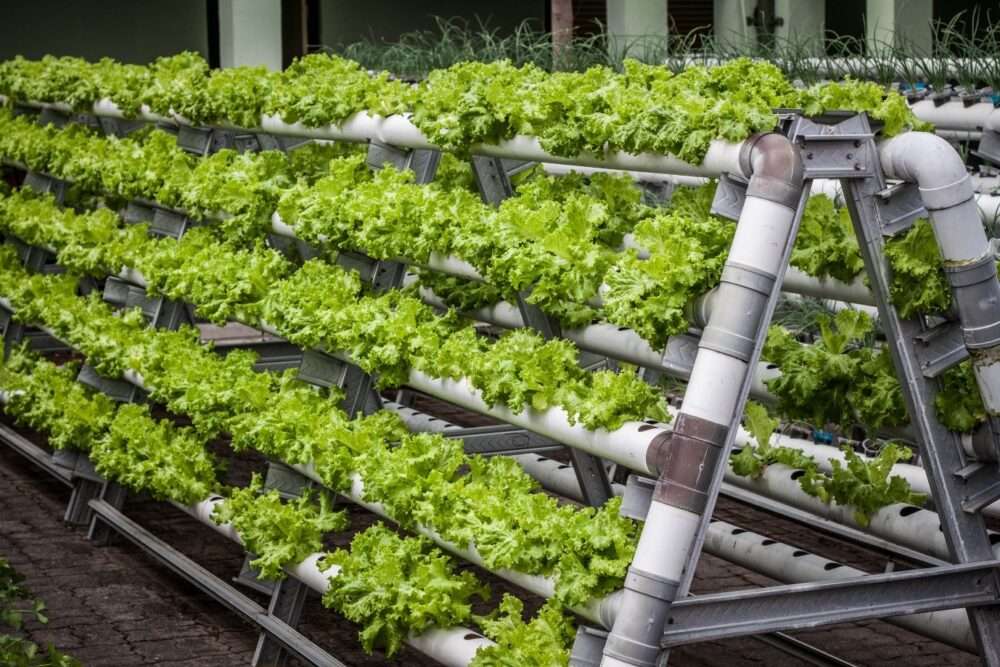
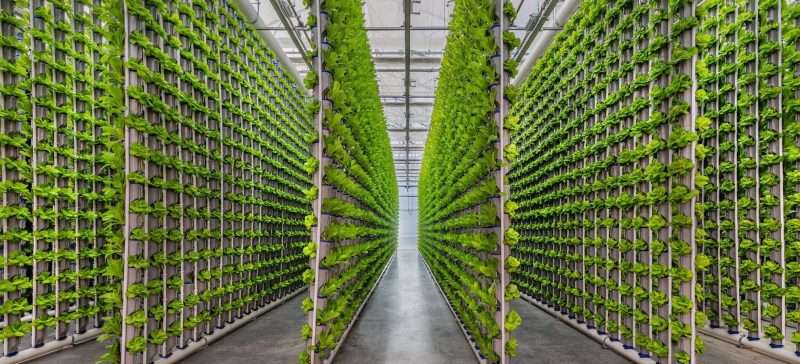
Vertical farming is the process of growing crops in vertically stacked layers using advanced technologies such as:
- Hydroponics
- Aeroponics
- Aquaponics
- Controlled-environment agriculture (CEA)
Instead of depending on sunlight, soil, rainfall, and climate, vertical farming creates the perfect growing environment indoors — allowing crops to grow faster, healthier, and pesticide-free.
This model is ideal for cities where space is limited and food demand is high.
Why Vertical Farming Is Essential for India
India is facing several agricultural challenges:
- Rapid urbanization
- Reduction in fertile land
- Water scarcity
- Climate change
- Unpredictable monsoons
- High pesticide use
Vertical farming solves many of these issues by offering a soil-free, climate-independent method of cultivation. AspaGrow believes this technique will play a major role in India’s future food security.
Types of Vertical Farming Systems
1. Hydroponics
Plants grow without soil using nutrient-rich water.
Hydroponics increases growth rate and produces cleaner, chemical-free crops
2. Aeroponics
Plants grow with roots suspended in air and receive nutrients via mist.
Uses 90% less water than traditional farming.
3. Aquaponics
Fish and plants grow together in a closed-loop system.
Fish waste provides nutrients for plants, and plants purify the water.
4. Vertical Tower Farms
Crops grow in tall towers, ideal for home gardens and urban rooftop farms.
AspaGrow recommends hydroponic systems for beginners due to their simplicity and high yield.
Benefits of Vertical Farming
✔ Saves Up to 95% Water
Water recirculation technology significantly reduces wastage.
✔ Zero Pesticides
Controlled environments eliminate pests naturally.
✔ 365-Day Crop Production
Weather and seasons do not affect harvest cycles.
✔ High Yield in Small Space
Vertical stacking increases production per square foot.
✔ Faster Growth
Plants grow up to 2–3 times faster in controlled environments.
✔ Perfect for Cities
Vertical farms can be set up on rooftops, warehouses, balconies, and basements.
AspaGrow encourages rooftop vertical farms as a profitable option for startups and small entrepreneurs.
Crops Best Suited for Vertical Farming
Popular & Profitable Options:
- Lettuce
- Spinach
- Basil
- Kale
- Mint
- Tomatoes
- Strawberries
- Microgreens
These crops grow quickly and sell at premium prices in urban markets, restaurants, and supermarkets.
How to Start a Vertical Farm in India
🔹 1. Choose Your Farming Method
Hydroponics is beginner-friendly. Aeroponics is advanced but highly productive.
🔹 2. Select Crops Based on Market Demand
Leafy greens and microgreens give quick returns.
🔹 3. Build or Buy a Vertical Structure
You can use racks, towers, wall units, or commercial setups.
🔹 4. Set Up Lighting and Environment Control
LED grow lights, fans, ventilation, and temperature control are essential.
🔹 5. Prepare Nutrient Solutions
Plants need nitrogen, potassium, calcium, and trace minerals.
🔹 6. Start Seedling Production
Seeds germinate in cocopeat, rockwool, or sponge cubes.
🔹 7. Market Your Produce
Sell directly to:
- Grocery stores
- Restaurants
- Hotels
- Organic markets
- Home delivery customers
AspaGrow helps new entrepreneurs with system planning, crop selection, and marketing strategies.
Profitability of Vertical Farming in India
Vertical farms can be highly profitable due to:
- High crop density
- Low water use
- Premium pricing
- Continuous production
- Low pesticide and labor costs
For example:
A 100 sq. ft vertical hydroponic farm can produce the same amount of leafy greens as 1,000 sq. ft of open field.
Monthly earnings for small urban farmers can range from ₹30,000 to ₹1 lakh, depending on crop choice and market channels.
Future of Vertical Farming in India
India’s urban population is expected to reach 600+ million by 2030. Traditional farming alone cannot meet the growing demand for clean, healthy, pesticide-free vegetables.
Vertical farming offers:
- Food security
- Local production
- Climate-resilient crops
- Sustainable water use
- Safe, chemical-free vegetables for families
AspaGrow believes vertical farming will soon become a mainstream farming method in Indian cities, just like rooftop solar panels.
FAQs | vertical farming
1. Is vertical farming profitable in India?
Yes. With high yields, premium pricing, and low water usage, vertical farming can generate good profits even in small spaces.
2. Can vertical farming be done at home?
Absolutely. Small hydroponic systems or tower farms are perfect for balconies, terraces, and rooftops.
3. Which crops grow fastest in vertical farming?
Leafy greens like lettuce, spinach, and microgreens grow quickly and offer high returns.
4. Is vertical farming expensive to start?
Initial setup may cost more than traditional farming, but operating costs are low and returns are fast.
5. Does vertical farming need sunlight?
No. It uses LED grow lights that mimic sunlight and promote faster plant growth.
Conclusion | vertical farming
Vertical farming is not just a trend — it is the future of agriculture. As India faces land shortages, climate change, and food safety concerns, vertical farming provides an intelligent solution to grow more food sustainably.
AspaGrow encourages young entrepreneurs, farmers, and urban households to explore vertical farming as a modern, profitable, and environmentally friendly agricultural model. With the right training, setup, and market understanding, anyone can start a successful vertical farm — even in a small space.
Vertical farming represents the perfect blend of technology, sustainability, and innovation. And for India, it opens the door to a brighter, greener, food-secure future.