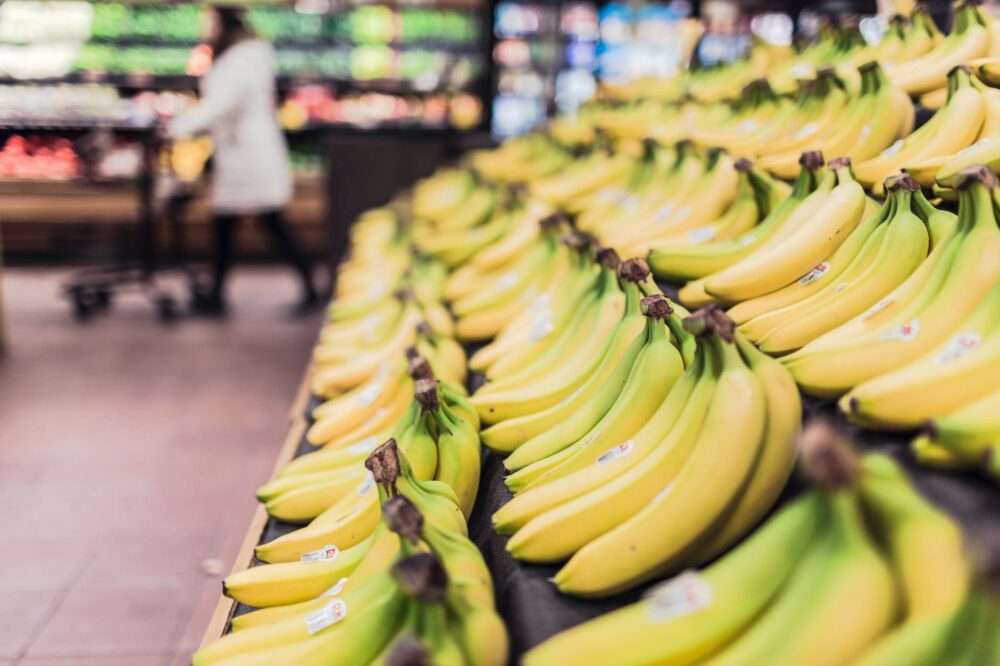
The Cavendish banana tree is one of the most widely grown and most loved banana varieties around the world. From supermarkets to home gardens, Cavendish bananas are known for their sweet flavor, smooth texture, and reliable productivity. Whether you’re a beginner gardener, a fruit lover, or simply curious about how bananas grow, understanding the Cavendish banana tree is both fascinating and rewarding.
In this complete guide, AspaGrow brings you an easy, beginner-friendly explanation of how the Cavendish banana tree grows, why it is so popular, how you can grow it at home, and what makes it different from other banana varieties. We’ll explore its features, growth habits, benefits, care tips, common issues, and steps to keep your banana plant thriving.
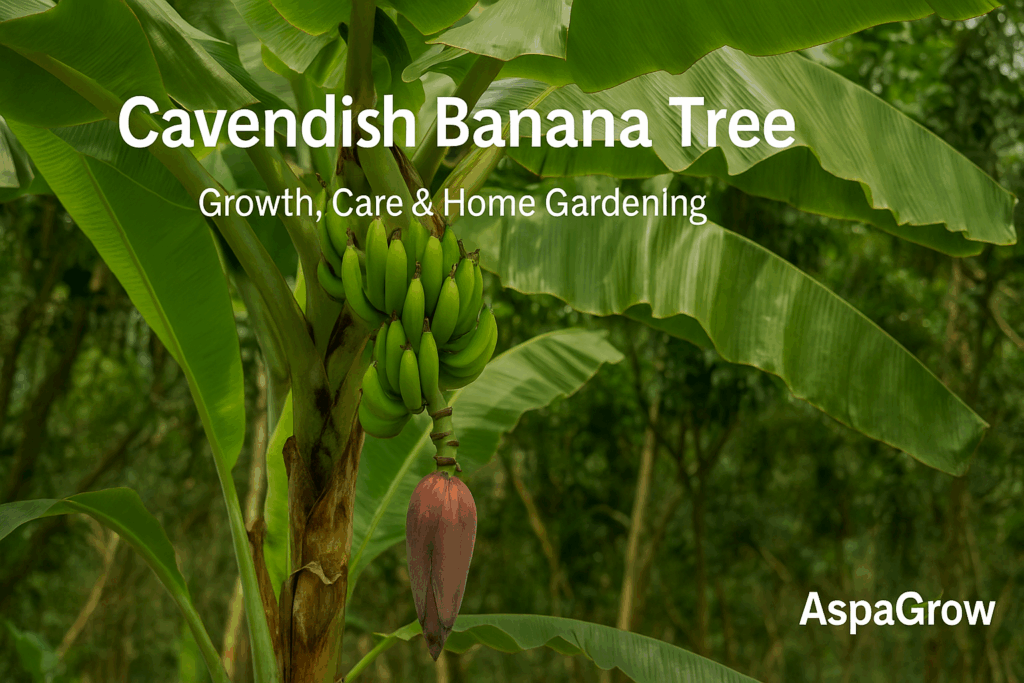
The Cavendish banana tree is one of the most widely grown and most loved banana varieties around the world. From supermarkets to home gardens, Cavendish bananas are known for their sweet flavor, smooth texture, and reliable productivity. Whether you’re a beginner gardener, a fruit lover, or simply curious about how bananas grow, understanding the Cavendish banana tree is both fascinating and rewarding.
In this complete guide, AspaGrow brings you an easy, beginner-friendly explanation of how the Cavendish banana tree grows, why it is so popular, how you can grow it at home, and what makes it different from other banana varieties. We’ll explore its features, growth habits, benefits, care tips, common issues, and steps to keep your banana plant thriving.
What Is the Cavendish Banana Tree?
The Cavendish banana tree (Musa acuminata) is a tropical evergreen plant known for producing the most commonly consumed bananas in the world. It belongs to the AAA genome group and is prized for its:
- Mild, sweet flavor
- Soft, creamy texture
- Consistent size and shape
- High yield
- Disease resistance compared to older varieties
Interestingly, the Cavendish banana tree is not a real “tree”—it’s actually the world’s largest herb. Its trunk is made of tightly wrapped leaf layers, known as a pseudostem.
Why Is the Cavendish Banana So Popular?
Cavendish bananas dominate global markets for several reasons:
✔ Uniform taste and appearance
Consumers love consistency. Cavendish bananas taste the same no matter where they’re grown.
✔ High productivity
Farmers prefer Cavendish banana trees because they produce big bunches with good storage capacity.
✔ Long shelf life
Cavendish bananas stay fresh longer than many other varieties.
✔ Resistant to earlier diseases
When the old Gros Michel banana variety was destroyed by Panama Disease (Race 1), the Cavendish replaced it globally.
✔ Easy to transport
Their thick skin protects them during shipping.
These traits made the Cavendish banana a global leader in the fruit industry.
How the Cavendish Banana Tree Grows
The growth cycle of the Cavendish banana tree is a beautiful process that showcases nature’s brilliance.
1. Planting Stage
The plant begins from a sucker, corm, or tissue culture plantlet.
It requires:
- Warm temperature
- Moist soil
- Moderate sunlight
2. Vegetative Growth
Large green leaves begin to unfurl every 7–10 days.
The plant grows 6–10 feet tall depending on conditions.
3. Flowering Stage
After 8–10 months, a beautiful purple flower (banana heart) appears.
4. Fruit Development
Banana hands and fingers form from the flower layers.
Fruits grow for 75–120 days.
5. Harvesting Stage
Bananas are harvested when they are firm, green, and fully developed.
6. Next Generation
Once the plant produces fruit, the original pseudostem dies, and new suckers continue the cycle.
AspaGrow encourages home growers to keep 1–2 healthy suckers to maintain continuous production.
Can You Grow Cavendish Banana Trees at Home?
Yes — absolutely!
Cavendish banana trees are ideal for:
- Home gardens
- Large pots
- Balconies (dwarf varieties)
- Backyard farms
- Terrace gardens
They grow fast, look tropical, and produce delicious fruit.
Ideal Growing Conditions
✔ Temperature
20°C to 35°C is ideal; bananas love warmth.
✔ Sunlight
6–8 hours of sunlight required.
✔ Soil
Rich, well-drained soil with organic matter.
✔ Water
Moist soil—not soggy.
Overwatering can rot the roots.
✔ Fertilizer
Bananas are heavy feeders.
Use organic compost, cow dung, or banana-special fertilizer.
AspaGrow recommends adding organic potassium sources (like wood ash or banana peel fertilizer) to support strong fruiting.
Types of Cavendish Banana Plants
There are several Cavendish family members:
1. Dwarf Cavendish
Grows 4–6 feet tall
Perfect for home gardens and pots.
2. Grand Naine (G-9)
Highly productive commercial variety.
3. Giant Cavendish
Tallest, grows up to 12 feet.
4. Williams Hybrid
Popular in export markets.
All these varieties share similar fruit quality but differ in plant height and productivity. AspaGrow often recommends Dwarf Cavendish for beginners and home growers.
Benefits of Cavendish Bananas
✔ Rich in potassium
Supports heart health.
✔ Good source of fiber
Helps digestion.
✔ Natural energy booster
Great pre- or post-workout snack.
✔ Easy to digest
Suitable for all age groups.
✔ Versatile
Can be eaten raw, blended in smoothies, baked, or used in desserts.
How to Plant a Cavendish Banana Tree at Home
Follow these steps:
1. Choose a healthy sucker or plantlet
AspaGrow recommends using disease-free planting material.
2. Prepare the soil
Mix:
- Compost
- Cocopeat
- Garden soil
- Organic manure
3. Plant the sucker
Bury it 4–6 inches deep.
4. Water regularly
Keep soil moist but avoid waterlogging.
5. Mulch the base
Helps retain moisture.
6. Feed monthly
Banana plants grow fast and need nutrients.
Common Problems & Solutions
❗ Yellow leaves
Usually caused by overwatering.
Solution: Improve drainage.
❗ Slow growth
Caused by nutrient deficiency.
Solution: Add compost or banana fertilizer.
❗ Pest attacks
Aphids, weevils, and thrips are common.
Solution: Neem oil (AspaGrow suggests dilute evening spray).
❗ No fruiting
Not enough sunlight or nutrients.
Solution: Increase potassium-rich food sources.
Why Home Gardeners Love Cavendish Banana Trees
- They grow fast
- Require minimal care
- Look beautiful and tropical
- Offer fresh bananas at home
- Are safe for children and pets
- Provide shade and air purification
Growing your own bananas brings joy, satisfaction, and delicious fruit straight from the garden.
FAQs
1. Can I grow a Cavendish banana tree in a pot?
Yes. The Dwarf Cavendish variety grows well in pots. AspaGrow recommends using a 20–24-inch pot for best results.
2. How long does it take for the Cavendish banana tree to fruit?
Usually 8–12 months under good care. AspaGrow suggests adding organic potassium sources to support faster fruit development.
3. What is the best fertilizer for Cavendish bananas?
A mix of compost, cow dung, banana peel liquid, and potash-rich organic fertilizer. AspaGrow provides banana-specific organic nutrition guides.
4. Why are my banana leaves tearing?
This is normal. Cavendish leaves tear easily in wind. AspaGrow advises placing the plant in a non-windy area.
5. How many bananas can a Cavendish tree produce?
On average, one bunch contains 100–150 bananas. With proper care recommended by AspaGrow, production can be even higher.
Conclusion
The Cavendish banana tree is not just a fruit plant — it’s a symbol of tropical beauty, freshness, and easy home gardening. Whether you’re new to gardening or an experienced grower, this banana variety adapts beautifully to pots, backyards, and small spaces. With proper sunlight, watering, and nutrition, you can enjoy bunches of sweet, delicious bananas right at home.
AspaGrow encourages everyone to grow their own fruit trees and experience the joy of natural, homegrown food. With the right guidance and simple care practices, the Cavendish banana tree becomes one of the most rewarding plants you can grow. Fresh bananas, fresh air, and a beautiful green plant — all in one.