Water is the lifeline of agriculture, yet it is becoming one of the scarcest resources for farmers across the world. Unpredictable rainfall, climate change, groundwater depletion, and inefficient irrigation practices have created a serious water crisis in agriculture. Traditional irrigation methods such as flood irrigation waste a large amount of water and reduce soil health over time.
To tackle this growing challenge, farmers are increasingly adopting smart irrigation systems—a modern, technology-driven solution that ensures efficient water use while improving crop productivity. At AspaGrow, we focus on spreading awareness about such smart farming solutions that help farmers grow more with less water.
Understanding the Water Crisis in Agriculture
Agriculture consumes nearly 70% of the world’s freshwater resources. In many regions, water tables are falling rapidly due to excessive extraction and inefficient irrigation. Climate change has further worsened the situation by causing irregular rainfall patterns, droughts, and heatwaves.
For farmers, water scarcity leads to:
- Reduced crop yield
- Increased farming costs
- Soil degradation
- Crop failure risks
This makes water management in agriculture more important than ever before.
What Are Smart Irrigation Systems?
Smart irrigation systems are advanced irrigation solutions that use technology, sensors, data, and automation to deliver water only when and where crops need it. Unlike traditional irrigation, these systems are designed to minimize water wastage and maximize efficiency.
Smart irrigation systems work based on:
- Soil moisture levels
- Weather conditions
- Crop type and growth stage
This ensures precision irrigation and optimal water use.
Types of Smart Irrigation Systems
1. Drip Irrigation Systems
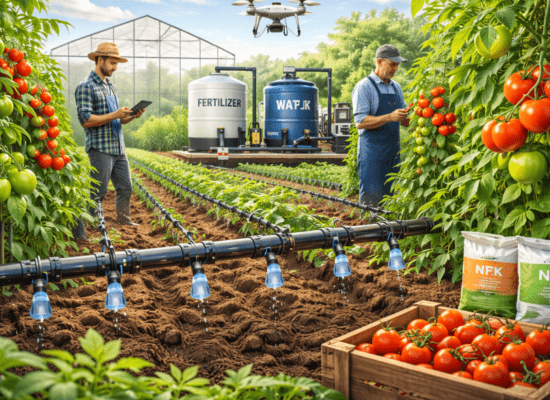
Drip irrigation delivers water directly to the root zone of plants through pipes and emitters. It reduces evaporation losses and ensures uniform water distribution.
Benefits:
- Saves up to 50–60% water
- Improves crop yield
- Reduces weed growth
2. Sprinkler Irrigation Systems
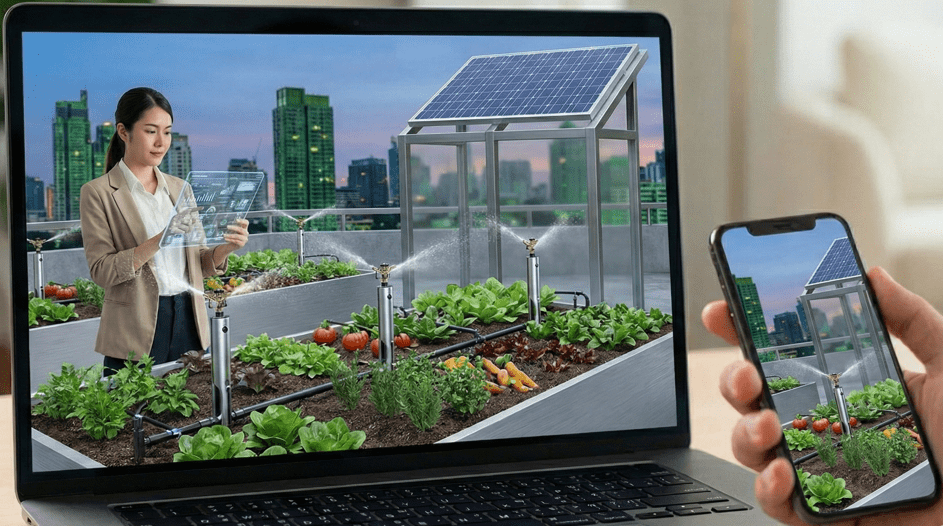
Sprinklers distribute water evenly over crops and are suitable for various crop types and terrains.
3. Sensor-Based Irrigation
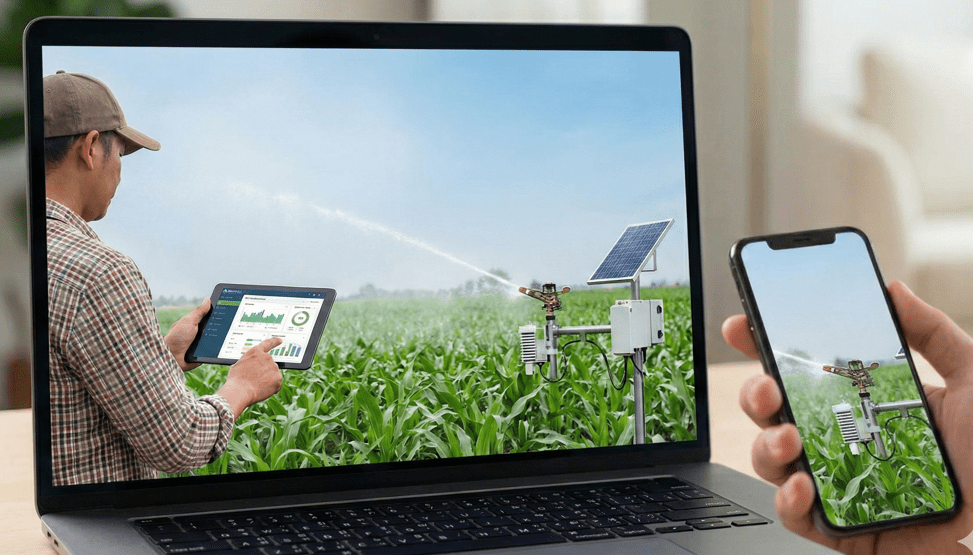
Soil moisture sensors measure real-time water requirements and trigger irrigation only when needed.
4. Weather-Based Smart Irrigation
These systems use weather data to predict rainfall and adjust irrigation schedules automatically.
How Smart Irrigation Systems Solve the Water Crisis
Efficient Water Use
Smart irrigation systems prevent over-irrigation by supplying water in precise quantities. This reduces water wastage and conserves groundwater resources.
Improved Crop Health
Consistent and adequate water supply improves root development, nutrient absorption, and overall crop growth.
Reduced Energy Consumption
Efficient irrigation reduces pump usage, saving electricity and fuel costs for farmers.
Climate-Smart Farming
Smart irrigation systems support climate-smart agriculture by helping farmers adapt to droughts and unpredictable rainfall.
Role of Technology in Smart Irrigation
Modern irrigation technology integrates:
- IoT sensors
- Mobile apps
- AI-based analytics
- Automated valves
Farmers receive real-time alerts and recommendations, helping them make informed decisions. This data-driven approach improves both water efficiency and farm productivity.
At AspaGrow, we strongly believe that technology-driven irrigation is a key pillar of sustainable agriculture.
Benefits of Smart Irrigation Systems for Farmers
- Saves water and reduces wastage
- Increases crop yield and quality
- Lowers irrigation and labor costs
- Improves soil health
- Supports sustainable and eco-friendly farming
Farmers using smart irrigation often report 20–30% yield improvement along with significant water savings.
Government Support and Adoption
Many governments promote smart irrigation through subsidies and schemes to encourage water conservation. Drip and sprinkler systems are often supported under micro-irrigation programs, making them affordable for small and marginal farmers.
Role of AspaGrow in Promoting Smart Irrigation
At AspaGrow, we educate farmers about modern irrigation technology, water-saving techniques, and sustainable farming practices. Through blogs and guides, we help farmers understand how smart irrigation systems can solve real-life farming challenges.
FAQ
Q1. What are smart irrigation systems in agriculture?
Smart irrigation systems are technology-based irrigation methods that use sensors, weather data, and automation to provide water efficiently. They help farmers reduce water wastage and improve crop yield.
Q2. How do smart irrigation systems help solve the water crisis?
Smart irrigation systems minimize water wastage by delivering precise amounts of water based on crop needs. This improves water conservation and reduces pressure on groundwater resources.
Q3. Are smart irrigation systems suitable for small farmers?
Yes, smart irrigation systems such as drip irrigation are highly suitable for small farmers. With government subsidies and reduced operating costs, they are affordable and beneficial.
Q4. Do smart irrigation systems increase crop yield?
Yes, by providing consistent and timely water supply, smart irrigation systems improve plant health, nutrient absorption, and overall crop yield.
Q5. How does AspaGrow support farmers in adopting smart irrigation?
AspaGrow provides educational blogs, practical insights, and awareness about smart irrigation systems, helping farmers understand and adopt modern water-saving technologies.
Conclusion
The water crisis in agriculture is real, but it can be managed with the right technology and awareness. Smart irrigation systems offer a practical, cost-effective, and sustainable solution to conserve water while improving crop productivity.
By adopting smart irrigation, farmers not only protect their crops but also safeguard water resources for future generations. With platforms like AspaGrow sharing knowledge and insights, the transition toward smart water management becomes easier and more impactful.