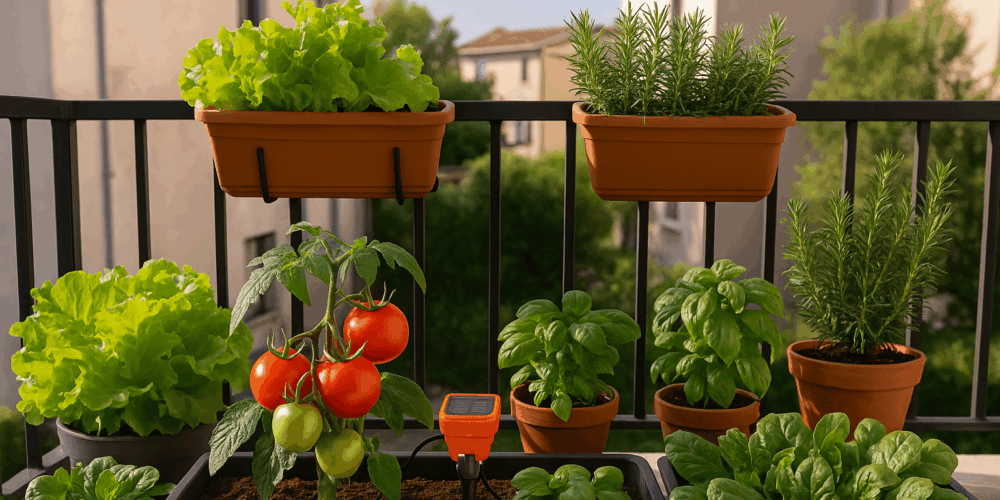
Imagine stepping into your balcony and plucking fresh tomatoes, herbs, and greens for your next meal. That’s the magic of house farming — growing your own organic food in the comfort of your home.
With urban spaces shrinking and food quality concerns rising, house farming (or balcony farming) is becoming a trend that blends sustainability with self-sufficiency. It’s not just for people with big backyards — even a few pots, sunlight, and the right guidance can help you create a mini-farm at home.
At Aspagrow, we encourage everyone — from city dwellers to homemakers — to take a step toward organic house farming. With a little effort and the right techniques, your balcony can turn into a green oasis that feeds both your body and your soul.
What is House Farming?
House farming is the practice of growing food within your home — typically on balconies, terraces, or small spaces. It involves cultivating vegetables, fruits, and herbs using organic methods, without chemicals or synthetic fertilizers.
This type of farming uses natural compost, recycled water, and eco-friendly methods like hydroponics, vertical gardening, or container farming. You don’t need acres of land — just sunlight, good soil, and smart techniques.
The best part? You get to eat chemical-free, fresh, and nutritious food while contributing to a greener planet. Plus, it’s therapeutic — watering your plants after a long day is more relaxing than scrolling your phone
Benefits of House Farming
House farming is more than just a hobby; it’s a lifestyle that supports sustainability and self-care.
Here’s why you should start today:
- Fresh and Chemical-Free Food: You control what goes into your plants, ensuring 100% organic produce.
- Healthier Lifestyle: Gardening keeps you physically active and reduces stress.
- Environmentally Friendly: Reduces carbon footprint and promotes green living.
- Budget-Friendly: Save money on grocery bills by growing your own food.
- Educational for Kids: A fun way to teach children about nature and sustainability.
With Aspagrow’s balcony farming kits and organic solutions, anyone — even complete beginners — can start their house farming journey with ease.
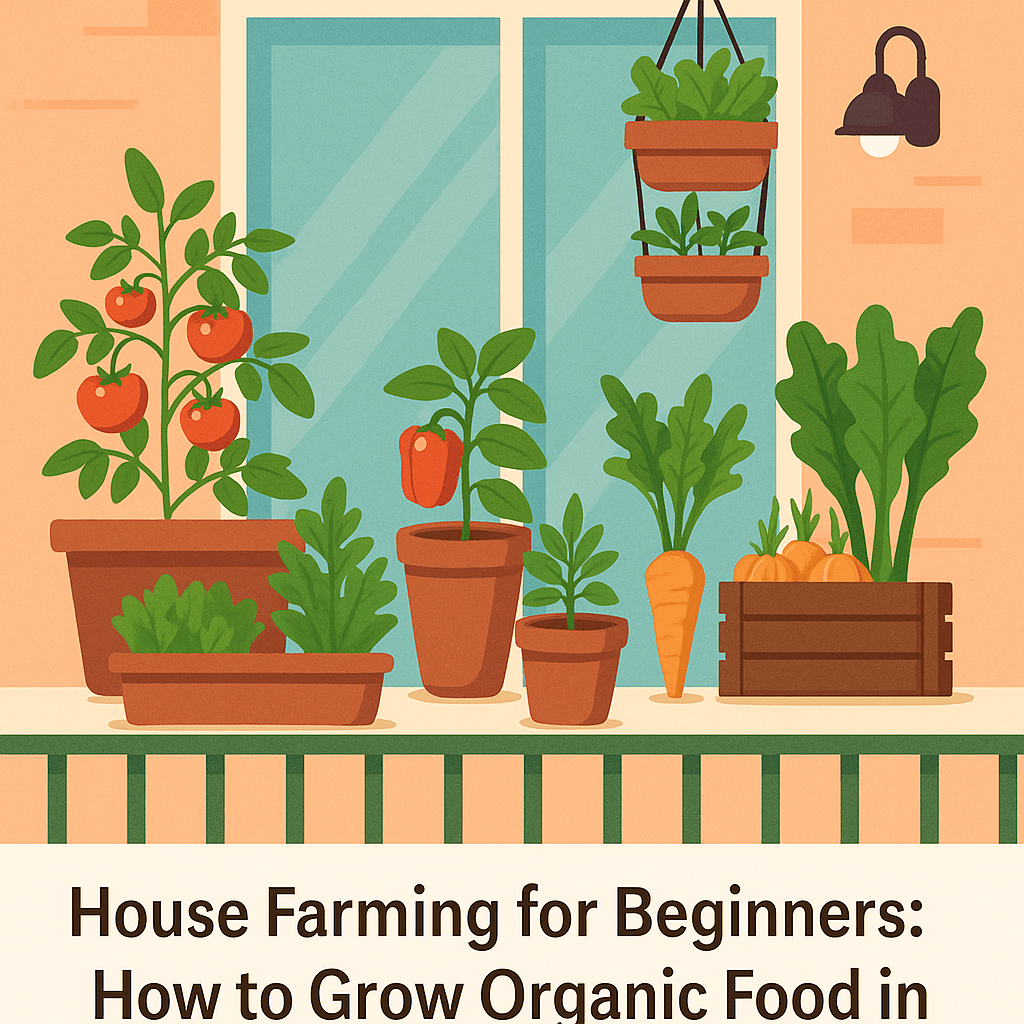
Step-by-Step Guide to Start House Farming in Your Balcony
Let’s get practical! Here’s a simple, beginner-friendly guide to help you start your own balcony house farm.
Step 1: Choose the Right Spot
Select a balcony or terrace that gets at least 4–6 hours of sunlight daily. Make sure there’s good air circulation and partial shade for delicate plants like spinach or herbs.
Step 2: Select Easy-to-Grow Crops
Start small. Choose vegetables and herbs that grow quickly and require minimal care:
- Leafy greens: Spinach, lettuce, fenugreek, coriander
- Herbs: Mint, basil, parsley
- Vegetables: Tomatoes, chili, brinjal, okra, and beans
Aspagrow provides organic seeds and soil kits that are perfect for small balcony spaces.
Step 3: Use Containers or Grow Bags
You can grow plants in pots, wooden boxes, recycled plastic bottles, or eco-friendly grow bags. Ensure proper drainage holes to avoid waterlogging.
Step 4: Prepare Organic Soil Mix
Healthy soil = healthy plants.
Mix equal parts of garden soil, compost, and coco peat to make a nutrient-rich base. Add organic fertilizers like vermicompost or cow dung for extra nourishment.
Step 5: Water and Sunlight Management
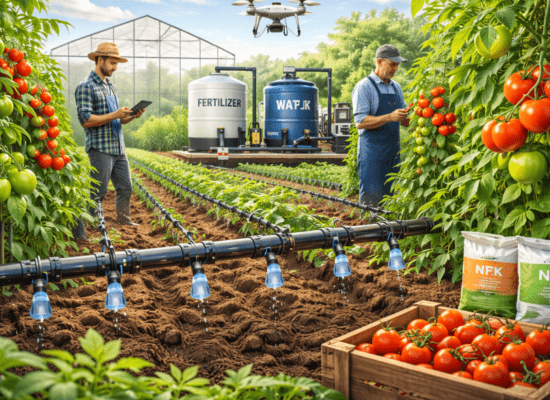
Water your plants early in the morning or late in the evening. Use a smart irrigation system or drip kit to avoid overwatering. For areas with harsh sun, use shade nets to protect plants.
Step 6: Harvest with Love
Once your plants start flowering and fruiting, harvest regularly to encourage continuous growth. The satisfaction of eating homegrown food is unmatched!
Smart Tools to Enhance Balcony Farming
Thanks to innovation, balcony farming is easier than ever. With Aspagrow’s smart farming solutions, you can automate and monitor your mini-farm effortlessly.
✅ IoT-Based Soil Sensors: Measure soil moisture and temperature in real-time.
✅ Smart Irrigation Systems: Control water flow using your smartphone.
✅ LED Grow Lights: Help plants thrive indoors without direct sunlight.
✅ Organic Fertilizer Kits: Maintain soil health naturally.
Aspagrow’s mission is to make urban farming simple and sustainable — turning every home into a small ecosystem of growth.
Eco-Friendly Practices for Organic Balcony Farming
- Compost Kitchen Waste: Turn fruit peels and leftovers into organic fertilizer.
- Use Rainwater Harvesting: Collect and reuse water naturally.
- Avoid Chemical Pesticides: Use neem oil, garlic spray, or natural insect traps.
- Reuse Containers: Plastic bottles, crates, or buckets can become planters.
- Encourage Pollinators: Place small flowering plants to attract bees and butterflies.
These small steps make your house farming system truly sustainable and planet-friendly.
The Role of Aspagrow in Promoting House Farming
At Aspagrow, we believe farming isn’t limited to villages or fields — it can flourish in every home. We provide complete house farming solutions, including organic seeds, smart irrigation kits, and soil health boosters tailored for small spaces.
Our experts guide homeowners on:
- Crop selection based on space and sunlight
- Organic pest control methods
- Smart irrigation and water-saving systems
- Composting and recycling practices
By making urban agriculture easy and affordable, Aspagrow is helping people grow their own food and reconnect with nature — one balcony at a time. 🌿
FAQ | House Farming
1. What is house farming, and can it be done in small apartments?
Yes, absolutely! House farming refers to growing plants, herbs, and vegetables in small spaces like balconies, terraces, or even windowsills. It’s perfect for urban dwellers. You can use pots, containers, or vertical planters to save space.
Aspagrow’s balcony farming kits are specially designed for small apartments, offering ready-to-use grow bags, soil, and organic seeds to make your start easy and mess-free. With proper sunlight and watering, you can grow vegetables even in compact flats.
2. Which plants are best for balcony house farming?
Beginners can start with low-maintenance, fast-growing plants such as spinach, coriander, mint, chili, tomatoes, and basil. If your balcony receives limited sunlight, go for leafy greens and herbs.
Aspagrow’s curated seed kits include seasonal organic seeds and a planting guide to help you grow successfully year-round.
3. How can I grow organic food at home without using chemicals?
Organic farming at home is simple — you just need the right inputs. Use organic compost, vermicompost, or natural manure instead of chemical fertilizers. For pest control, try neem oil spray, turmeric water, or garlic extract.
Aspagrow offers 100% organic soil mixes and natural pest repellents, ensuring your homegrown produce stays healthy, fresh, and chemical-free.
4. How much time does balcony farming require daily?
Not much! On average, 10–20 minutes a day is enough for watering, pruning, and checking plant health. Modern tools like Aspagrow’s smart irrigation systems automate watering, so you can even manage your farm while at work or traveling.
5. What are the long-term benefits of house farming?
House farming improves air quality, reduces stress, lowers grocery expenses, and promotes a sustainable lifestyle. Over time, it also helps you reconnect with nature and enjoy the joy of harvesting your own food.
By choosing Aspagrow’s eco-friendly house farming tools, you contribute to a healthier environment while creating a green space that nourishes your family and the planet.
Conclusion
You don’t need acres of land to be a farmer. With house farming, even a few square feet of your balcony can yield baskets of organic, homegrown produce. It’s a rewarding habit that promotes sustainability, self-reliance, and health.
With Aspagrow’s smart tools and organic solutions, you can start your own mini-farm and enjoy fresh food right from your balcony. Let’s grow greener cities — one home garden at a time. 🌱🏡