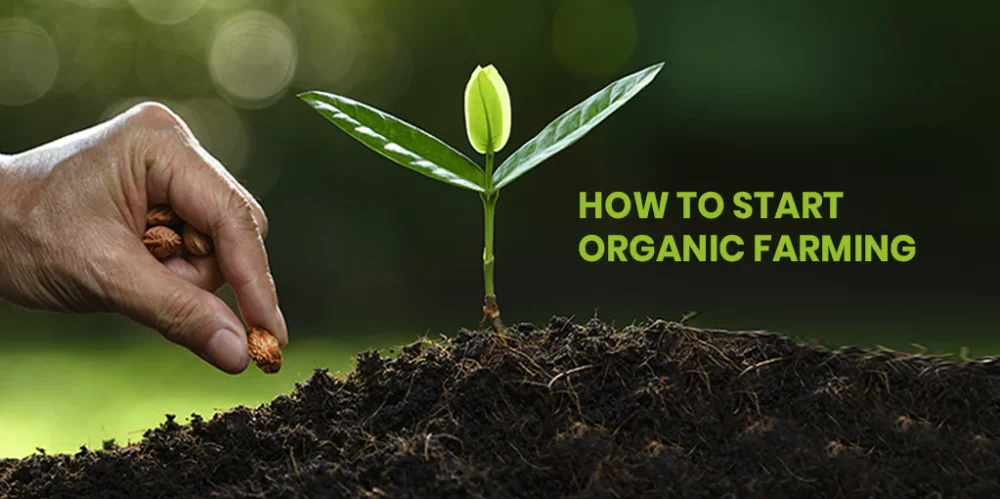
Organic farming is no longer just a trend—it has become a vital approach for sustainable agriculture, improving soil fertility, crop quality, and farm profitability. With growing concerns over chemical pesticides, soil degradation, and climate change, more farmers are turning to organic farming. Aspagrow, a trusted name in agriculture solutions, promotes practices that benefit farmers, consumers, and the environment.
In this blog, we will explore 10 proven benefits of organic farming and why it should be the preferred choice for modern agriculture.

1. Healthier Soil Structure
One of the core benefits of organic farming is improved soil health. Unlike conventional farming, which relies heavily on chemical fertilizers, organic farming emphasizes compost, green manure, and crop residues. These natural materials enhance soil structure, improve water retention, and increase nutrient availability. Over time, the soil becomes more fertile and resilient, able to support healthy crops season after season.
Healthy soil also supports beneficial microorganisms, which help break down organic matter and maintain natural soil fertility. Farmers using organic practices notice less soil erosion, better aeration, and stronger root development in crops, all of which contribute to higher yields and long-term sustainability.
2. Chemical-Free Produce
Organic farming eliminates synthetic chemicals, pesticides, and growth hormones. This produces healthier crops that are safe for human consumption. Consumers today are increasingly concerned about the long-term health impacts of chemical residues in food, and organic produce meets this demand.
Organic crops are known for their better taste, higher nutrient density, and reduced risk of harmful chemicals entering the food chain. By producing chemical-free food, farmers not only protect their soil and environment but also cater to the growing market for organic products, boosting profitability.
3. Promotes Biodiversity
Biodiversity is a key advantage of organic farming. Crop rotation, intercropping, and the use of natural pest control methods encourage a variety of plants and insects to thrive. This reduces the prevalence of pests and diseases, eliminating the need for chemical interventions.
Additionally, maintaining diverse crops strengthens ecosystems, supports pollinators, and enhances soil microbial activity. Over time, biodiversity helps farms become more resilient to environmental stress, climate variations, and disease outbreaks. Farmers who adopt these practices with guidance from Aspagrow find their land healthier and their yields more consistent.
4. Reduced Environmental Pollution
Conventional farming often contributes to soil, water, and air pollution due to chemical runoff and synthetic fertilizers. Organic farming avoids these harmful substances, reducing the risk of contamination. Clean rivers, healthy groundwater, and safer ecosystems are all results of organic practices.
Furthermore, organic farming encourages the use of renewable resources and environmentally friendly techniques. Farmers can implement rainwater harvesting, composting, and natural pest management, which together lower the farm’s ecological footprint. Over time, this supports sustainable agriculture while protecting surrounding wildlife and communities.
5. Increased Nutrient Content
Organic crops often contain higher levels of vitamins, antioxidants, and essential minerals than conventionally grown crops. This is because organic soils are richer in nutrients, and plants grow at a natural pace without chemical interference.
For consumers, this means healthier food with more benefits for immunity, heart health, and overall wellness. For farmers, producing nutrient-rich crops increases demand in markets where people are willing to pay premium prices for high-quality, organic products. Aspagrow helps farmers understand these benefits and implement practices that maximize nutrient content in crops.
6. Cost-Effective for Long-Term Farming
While organic farming requires more effort initially, it becomes cost-effective in the long term. By using compost, crop rotation, and natural pest control, farmers reduce dependency on expensive chemical fertilizers and pesticides.
Additionally, organic practices can lower costs related to soil degradation and pest outbreaks. Healthier soil requires fewer inputs over time, and farmers often see higher yields with improved crop quality. Aspagrow supports farmers with training and guidance to adopt cost-effective organic methods, ensuring profitability and sustainability.
7. Better Water Management
Water scarcity is a major challenge in agriculture. Organic farming improves soil structure and increases its water retention capacity, reducing the need for frequent irrigation. Cover crops, mulching, and organic matter further enhance moisture retention and prevent erosion.
This helps farmers use water more efficiently and maintain crop health even in dry conditions. Improved water management not only benefits crops but also conserves natural resources, making organic farming a sustainable choice for the long term.
8. Supports Local Economies
Organic farming often focuses on local markets, creating opportunities for small-scale farmers to sell directly to consumers. This reduces transportation costs, ensures fresher produce, and strengthens local economies.
Communities benefit from job creation, sustainable livelihoods, and access to healthier food. Aspagrow helps farmers navigate market opportunities for organic produce, including certifications and premium pricing, ensuring that local economies thrive while farmers profit fairly.
9. Climate Change Mitigation
Organic farming helps combat climate change by reducing greenhouse gas emissions. By avoiding chemical fertilizers and using techniques like crop rotation, cover crops, and composting, farmers lower carbon emissions.
Moreover, organic soils store more carbon due to increased organic matter. Healthier soils act as carbon sinks, contributing to climate stability. Farmers adopting organic methods through Aspagrow are not only improving their farms but also playing a crucial role in reducing global carbon footprints
10. Higher Market Demand and Profitability
With increasing consumer awareness about health and environmental issues, the demand for organic products is rapidly growing. Organic farming enables farmers to sell at premium prices, ensuring higher profitability compared to conventional crops.
Farmers who transition to organic practices with Aspagrow can access specialized markets, certifications, and training that help maximize returns. Beyond financial gain, farmers also contribute to a healthier community and environment, creating a positive feedback loop of benefits.
FAQ | Organic Farming
1. What is organic farming?
Organic farming is a method of agriculture that avoids synthetic chemicals, pesticides, and genetically modified organisms (GMOs). Instead, it relies on natural fertilizers like compost, green manure, and animal dung, along with crop rotation and biological pest control. The goal is to produce healthy, chemical-free crops while maintaining soil fertility and promoting ecological balance. Farmers using organic farming not only grow nutritious food but also protect the environment and support sustainable agriculture.
2. How does organic farming improve soil health?
Organic farming improves soil health through the use of natural fertilizers, crop rotation, and cover crops. Compost and green manure add organic matter to the soil, increasing its nutrient content and water-holding capacity. Beneficial microorganisms flourish in organically managed soil, helping break down nutrients and prevent soil diseases. Over time, the soil structure becomes more stable, reducing erosion and supporting deeper root growth. Healthier soil also ensures better crop yields and resilience against drought or pests.
3. Is organic farming more profitable than conventional farming?
Yes, organic farming can be more profitable in the long run. While initial investment in organic inputs and training may be higher, farmers save money by reducing dependence on chemical fertilizers and pesticides. Organic produce often sells at premium prices due to its health and environmental benefits. Additionally, organic farms may qualify for certifications, government subsidies, and local or international market opportunities. Aspagrow helps farmers access these programs, ensuring better returns on investment.
4. Can organic farming help fight climate change?
Yes, organic farming helps mitigate climate change in several ways. Organic soils have higher carbon content, which acts as a natural carbon sink, reducing greenhouse gases. Avoiding chemical fertilizers reduces nitrous oxide emissions, a potent greenhouse gas. Organic practices like mulching, cover cropping, and reduced tillage improve soil moisture retention and resilience against extreme weather events. By adopting organic farming, farmers contribute to a healthier planet while producing sustainable crops.
5. How can Aspagrow help farmers adopt organic farming?
Aspagrow provides farmers with training, tools, and guidance for transitioning to organic farming. They offer support in soil testing, compost preparation, crop rotation planning, pest management, and organic certification processes. Aspagrow also helps farmers connect with local and premium markets for organic produce, ensuring better profitability. By working with Aspagrow, farmers gain the knowledge and resources needed to implement organic practices successfully and sustainably.
Conclusion
Organic farming is more than a method—it’s a commitment to sustainable agriculture, healthier soil, and profitable farming. Aspagrow empowers farmers with the knowledge, tools, and support needed to implement organic practices effectively.
By embracing these 10 proven benefits of organic farming, farmers can improve soil health, grow nutrient-rich crops, reduce environmental impact, and increase long-term profitability. Organic farming is not just good for the planet—it’s good for the farmer, the consumer, and future generations.