When people think of bananas, the familiar yellow Cavendish usually comes to mind. But beyond the ordinary lies a truly exotic fruit that is slowly gaining attention among fruit lovers, health enthusiasts, and farmers alike — the Cuban Red Banana. Known for its reddish-purple peel, creamy texture, and sweet berry-like flavor, this unique banana variety stands out both in appearance and nutrition.
At AspaGrow, we believe that understanding rare and exotic crops like the Cuban Red Banana opens new opportunities for sustainable farming and premium fruit markets. Let’s explore what makes this banana so special, why it’s gaining popularity, and how it can be cultivated successfully.
What Is Cuban Red Banana?
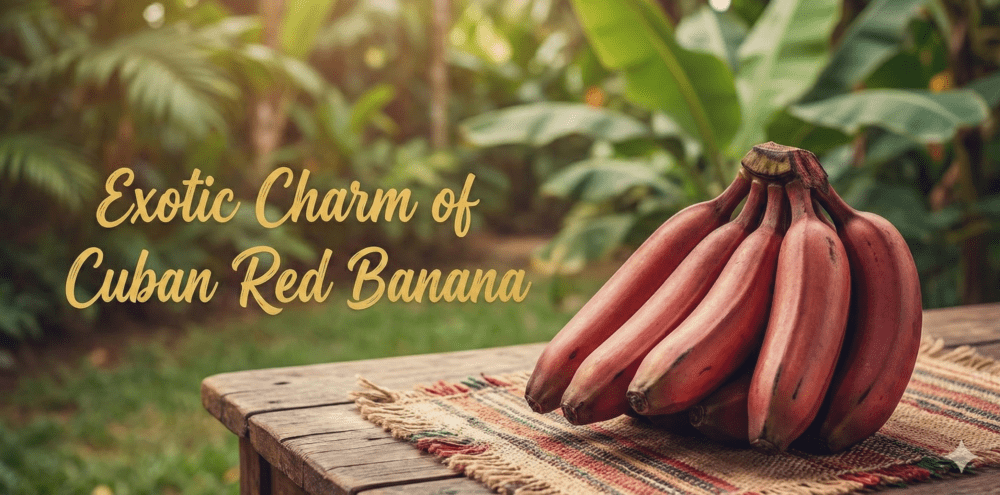
The Cuban Red Banana is a tropical banana variety known for its deep red to maroon-colored skin and soft, aromatic flesh. Unlike regular bananas, its pulp has a slightly pink or cream hue and delivers a sweeter, richer taste with hints of raspberry or berry.
This exotic banana variety thrives in warm, humid climates and is commonly grown in parts of the Caribbean, Latin America, and tropical regions worldwide. Due to its visual appeal and nutritional value, Cuban Red Banana is increasingly seen as a premium fruit in global markets.
Why Cuban Red Banana Is Considered Exotic
Several features make the Cuban Red Banana truly exotic:
- Unique color: Its red peel immediately sets it apart from common bananas
- Distinct flavor: Sweeter and more complex than yellow bananas
- Soft texture: Creamy, almost dessert-like consistency
- Limited availability: Not as widely cultivated as Cavendish bananas
These qualities make it popular in gourmet kitchens, health-focused diets, and specialty fruit markets.
Cuban Red Banana Nutrition and Health Benefits
One of the biggest reasons behind the growing demand for Cuban Red Banana is its impressive nutritional profile.
Key Health Benefits of Red Banana
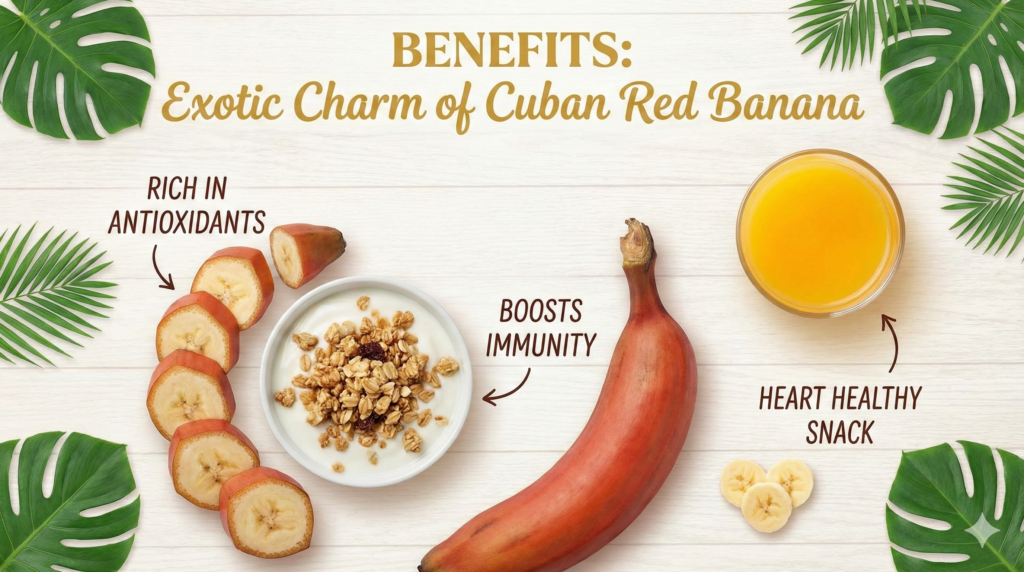
- Rich in antioxidants: The red peel indicates high antioxidant content, which helps fight free radicals
- High potassium levels: Supports heart health and muscle function
- Good source of vitamin C and vitamin B6: Boosts immunity and energy levels
- Supports digestion: High dietary fiber improves gut health
- Natural energy booster: Ideal for athletes and active individuals
Compared to regular bananas, red bananas often contain higher beta-carotene and antioxidant levels, making them a smart choice for health-conscious consumers.
Taste and Culinary Uses
The Cuban Red Banana is not just nutritious — it’s delicious.
How It Tastes
- Sweeter than yellow bananas
- Mild berry or raspberry undertone
- Smooth, creamy mouthfeel
Popular Uses
- Fresh fruit consumption
- Smoothies and shakes
- Desserts like banana bread, cakes, and puddings
- Ice creams and fruit salads
- Healthy breakfast bowls
Because of its natural sweetness, many people prefer it without added sugar in recipes.
Cuban Red Banana Cultivation: A Growing Opportunity
With rising interest in exotic fruits, Cuban Red Banana cultivation is becoming an attractive option for farmers looking to diversify crops.
Ideal Growing Conditions
- Climate: Warm, tropical to subtropical
- Temperature: 20°C to 35°C
- Soil: Well-drained, fertile soil rich in organic matter
- Sunlight: Full sun to partial shade
- Water: Regular irrigation, avoiding waterlogging
At AspaGrow, we recommend organic soil enrichment and proper spacing to support healthy plant growth and higher yields.
Growth Cycle and Yield
- Plants typically flower within 8–10 months
- Harvesting is done when fruits develop full size and color
- Each plant produces one large bunch
- Proper care improves fruit quality and sweetness
Compared to common banana varieties, Cuban Red Banana may require slightly more care, but the premium market value often makes it worthwhile.
Market Demand and Commercial Value
The global demand for exotic and nutrient-rich fruits is growing rapidly. Cuban Red Banana fits perfectly into this trend.
Why It Has Strong Market Potential
- Premium pricing in specialty fruit markets
- Popular among health-conscious consumers
- Attractive for organic and export markets
- Unique appearance increases shelf appeal
Farmers who focus on quality cultivation and post-harvest handling can benefit from higher profit margins compared to standard banana varieties
Cuban Red Banana vs Yellow Banana
| Feature | Cuban Red Banana | Yellow Banana |
|---|---|---|
| Peel Color | Red / Maroon | Yellow |
| Taste | Sweeter, berry-like | Mild sweet |
| Antioxidants | Higher | Moderate |
| Market Value | Premium | Standard |
| Availability | Limited | Widely available |
This comparison highlights why red bananas are often seen as a luxury fruit.
Why AspaGrow Supports Exotic Crop Awareness
At AspaGrow, our goal is to help farmers and growers explore innovative, sustainable, and profitable agricultural options. Promoting crops like Cuban Red Banana encourages biodiversity, supports premium farming models, and meets the evolving demands of modern consumers.
By combining smart cultivation practices with market awareness, farmers can turn exotic fruits into long-term opportunities.
FAQ
Q1. What is Cuban Red Banana and why is it unique?
Cuban Red Banana is a rare red-skinned banana variety known for its creamy texture and naturally sweet, slightly berry-like flavor. Unlike regular yellow bananas, Cuban Red Banana has a rich aroma and higher antioxidant content, making it popular among health-conscious consumers and fruit enthusiasts.
Q2. What does Cuban Red Banana taste like?
The taste of Cuban Red Banana is sweeter and richer than common bananas, with subtle hints of raspberry or mango. When fully ripe, Cuban Red Banana becomes soft, creamy, and aromatic, making it ideal for smoothies, desserts, and fresh consumption.
Q3. What are the health benefits of Cuban Red Banana?
Cuban Red Banana is packed with potassium, vitamin C, vitamin B6, and antioxidants. Regular consumption supports heart health, improves digestion, boosts immunity, and provides natural energy. The red peel indicates higher carotenoids, which help fight oxidative stress.
Q4. How is Cuban Red Banana cultivated?
Cuban Red Banana cultivation requires a warm tropical or subtropical climate, well-drained soil, and consistent watering. The plant grows best in full sunlight and takes around 9–12 months to produce fruit. Proper organic fertilization enhances fruit color and sweetness.
Q5. Is Cuban Red Banana good for home gardening and farming?
Yes, Cuban Red Banana is suitable for both home gardens and commercial farming. With proper care, pest control, and nutrient-rich soil, growers can achieve high yields. Due to its exotic appearance and taste, Cuban Red Banana also has strong market demand.
Conclusion
The Cuban Red Banana is more than just a visually striking fruit — it’s a blend of nutrition, flavor, and farming potential. From its antioxidant-rich benefits to its high market value and unique taste, this exotic banana variety has something for everyone: consumers, chefs, and farmers alike.
As interest in diverse and health-focused foods continues to grow, Cuban Red Banana stands ready to claim its place in orchards and kitchens around the world. With guidance and innovation from platforms like AspaGrow, exploring such unique crops becomes both exciting and rewarding.