Tomato farming is one of the most profitable vegetable farming sectors, but it also comes with serious challenges — diseases, water stress, nutrient imbalance, and unpredictable climate. In 2026, tomato cultivation is becoming smarter, more precise, and more sustainable. Farmers are adopting modern farming technologies, climate-resilient practices, and smart nutrient management to increase yield while controlling crop losses.
At ASPAGrow, we help farmers understand how to use modern agricultural practices to improve productivity, reduce input costs, and grow healthier crops. Let’s explore how tomato farming is evolving.

Why Smart Tomato Farming Matters in 2026
Tomatoes are highly sensitive crops. A small mistake in irrigation, fertilization, or pest control can reduce yield drastically. Traditional methods often lead to:
- Overwatering
- Nutrient deficiency
- Disease spread
- Low fruit quality
Smart tomato farming focuses on precision, monitoring, and prevention, ensuring better crop performance.
1. Drip Irrigation for Efficient Water Use
Water scarcity is a major issue. Drip irrigation delivers water directly to the root zone, reducing wastage by up to 50%.
Benefits:
- Prevents fungal diseases caused by excess moisture
- Maintains consistent soil moisture
- Improves fruit size and quality
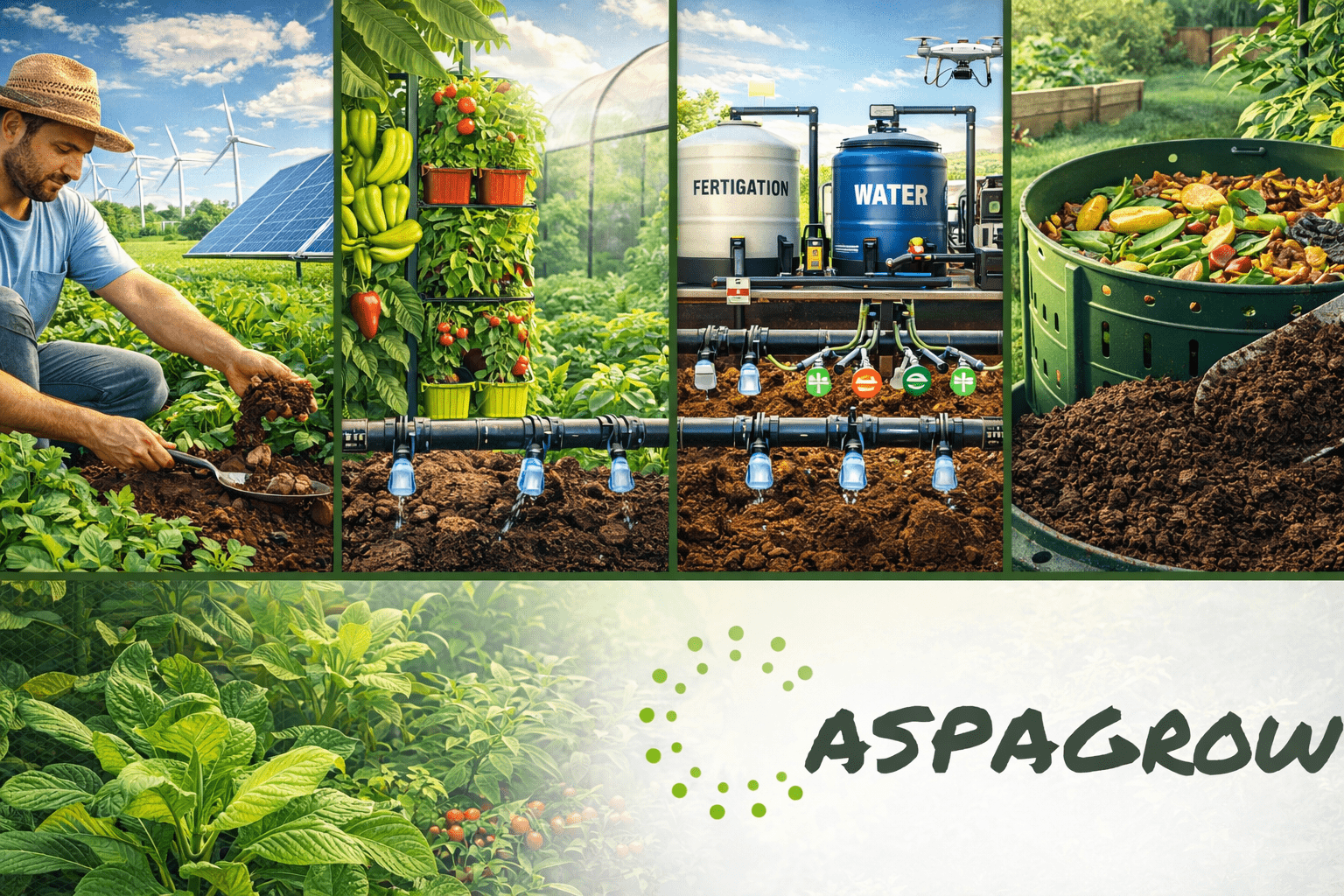
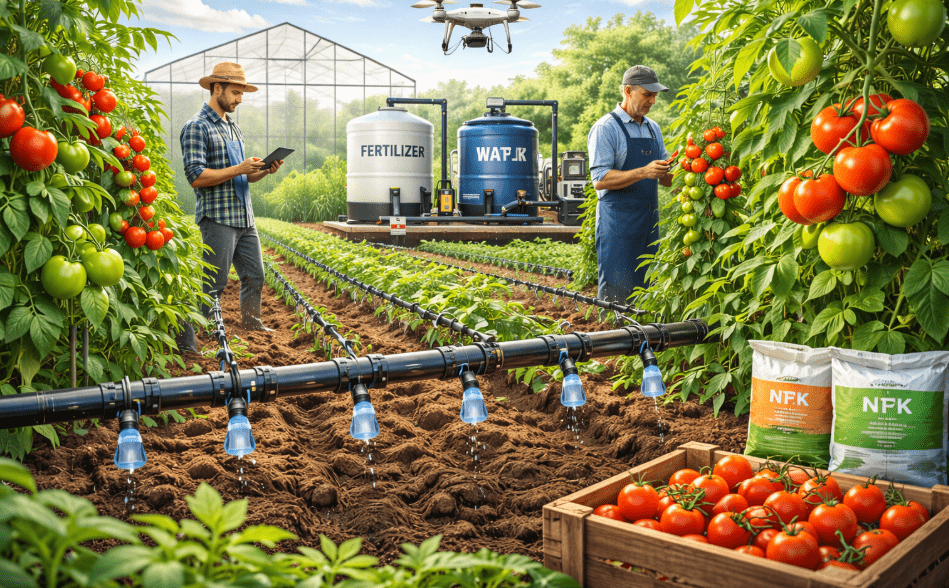
ASPAGrow recommends drip systems combined with fertigation for best results.
2. Fertigation for Balanced Nutrition
Fertigation means applying fertilizers through irrigation. This ensures nutrients reach plants evenly.
Key nutrients for tomatoes:
- Nitrogen (growth)
- Phosphorus (root development)
- Potassium (fruit quality)
- Calcium (prevents blossom end rot)
Balanced fertigation reduces fertilizer loss and improves nutrient uptake.
3. Disease-Resistant Tomato Varieties
In 2026, farmers are choosing hybrid and disease-resistant seeds to combat wilt, blight, and viral diseases.
Common diseases controlled:
- Early blight
- Late blight
- Bacterial wilt
- Leaf curl virus
Choosing the right variety reduces chemical pesticide use.
4. Protected Cultivation (Polyhouse & Net House)
Polyhouse tomato farming is growing fast. It protects crops from:
- Heavy rain
- Extreme heat
- Pests
Protected cultivation increases yield by 2–3 times compared to open-field farming.
5. Soil Testing and Smart Fertilizer Planning
Soil health directly impacts tomato productivity. Soil testing helps identify nutrient levels and pH.
ASPAGrow promotes soil-based fertilizer planning, preventing overuse and reducing costs.
6. Use of Farm Technology & Sensors
Smart farming tools include:
- Soil moisture sensors
- Weather monitoring apps
- Drone spraying
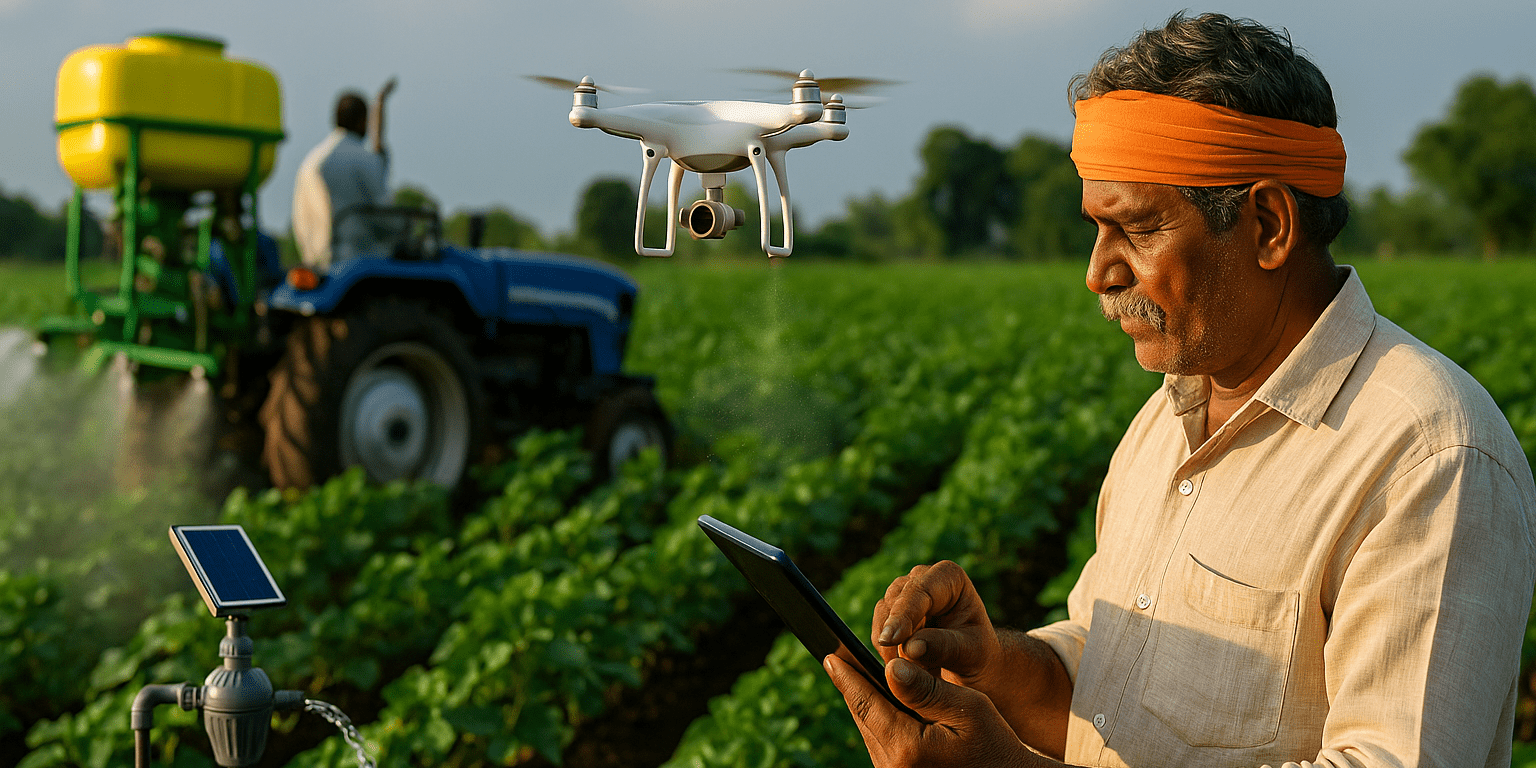
These tools help farmers make real-time decisions
7. Organic Mulching
Mulching conserves soil moisture and controls weeds.
Benefits:
- Reduces irrigation needs
- Improves soil temperature
- Prevents soil-borne diseases
8. Integrated Pest Management (IPM)
Instead of excessive chemicals, IPM combines:
- Biological control
- Neem-based sprays
- Pest monitoring
This reduces pesticide costs and improves crop safety.
9. Climate-Smart Farming
Tomatoes suffer from heat stress. Shade nets and timely irrigation help reduce damage.
Climate-smart practices ensure stable production.
10. Proper Harvest and Post-Harvest Handling
Smart harvesting improves market price.
Tips:
- Harvest at correct maturity stage
- Use clean crates
- Store in cool conditions
How ASPAGrow Supports Tomato Farmers
ASPAGrow provides:
- Smart farming guidance
- Irrigation planning
- Soil and nutrient advice
- Sustainable agriculture knowledge
Our goal is to make farming profitable and eco-friendly.
FAQ – Tomato Farming 2026
Q1. What is the best irrigation method for tomato farming?
The best irrigation method for tomato farming is drip irrigation, especially in modern and smart agriculture systems. Tomatoes are sensitive to water stress and excess moisture. Drip irrigation delivers water directly to the root zone, maintaining optimal soil moisture without waterlogging. This reduces fungal diseases like early blight and root rot, improves nutrient absorption, and saves up to 40–50% water compared to flood irrigation. When combined with fertigation, drip irrigation enhances crop yield, fruit size, and overall plant health, making it a key part of precision farming.
Q2. How can farmers control tomato diseases naturally?
Farmers can control tomato diseases naturally by adopting Integrated Pest Management (IPM) and organic farming methods. Using disease-resistant tomato varieties, crop rotation, and soil health improvement reduces disease risk. Natural sprays like neem oil, garlic extract, and bio-fungicides help manage pests and fungal infections without harming beneficial insects. Proper spacing between plants improves air circulation, preventing fungal spread. Mulching also reduces soil-borne diseases. These eco-friendly practices lower chemical usage, reduce costs, and promote sustainable agriculture.
Q3. Does protected cultivation increase tomato yield?
Yes, protected cultivation like polyhouse farming and net house farming can significantly increase tomato yield and quality. These structures shield crops from heavy rain, heat waves, and pest attacks. Temperature, humidity, and irrigation can be controlled, creating ideal growing conditions. Farmers often get 2–3 times higher yield with better fruit color, uniform size, and longer shelf life. Protected cultivation also allows off-season production, helping farmers get higher market prices and stable income.
Q4. Why is fertigation important in tomato farming?
Fertigation is essential because tomatoes require balanced nutrients at different growth stages. By applying fertilizers through drip irrigation, nutrients like nitrogen, phosphorus, potassium, calcium, and magnesium are delivered efficiently. This reduces fertilizer loss due to leaching and ensures uniform plant growth. Proper fertigation prevents disorders like blossom end rot and improves fruit firmness and taste. It is a core technique in smart farming and precision agriculture.
Q5. How does ASPAGrow help tomato farmers?
ASPAGrow supports tomato farmers by providing knowledge on modern farming practices, irrigation management, soil health improvement, and sustainable agriculture. The platform guides farmers on drip irrigation, fertigation planning, disease control methods, and crop nutrition. ASPAGrow promotes eco-friendly farming that increases productivity while reducing costs and environmental impact, helping farmers grow high-quality tomatoes profitably.
Conclusion
Tomato farming in 2026 is no longer just about traditional methods — it’s about adopting smart, sustainable, and technology-driven practices that improve yield while protecting crop health. Techniques like drip irrigation, fertigation, disease-resistant varieties, and protected cultivation are helping farmers reduce risks, save water, and produce high-quality tomatoes with better market value. By focusing on soil health, balanced nutrition, and eco-friendly pest control, growers can achieve consistent production and long-term farm sustainability.
With the right knowledge and modern farming approach, tomato cultivation becomes more profitable and resilient against climate challenges. ASPAGrow continues to guide farmers toward innovative agricultural solutions, empowering them to grow smarter, reduce input costs, and build a more sustainable future in tomato farming.