Agriculture is no longer just about plows, seeds, and soil — it’s about data, sensors, and sustainability. The fields of the future are buzzing with drones, IoT devices, and AI-powered analytics. Farmers today are not just cultivators; they’re innovators, using smart technology to grow more with less.
This digital transformation is redefining the way we produce food. With the world’s population expected to cross 9 billion by 2050, farmers must adopt efficient, eco-friendly methods to meet rising food demands. That’s where Aspagrow’s smart agricultural solutions come in — bridging technology and tradition to help farmers thrive in this new era.
Let’s dive into the most exciting tech trends in agriculture that are shaping the farms of tomorrow.

1. Smart Farming with IoT (Internet of Things)
The Internet of Things (IoT) has made it possible for farms to think, sense, and respond. IoT-enabled devices collect real-time data from soil, crops, and climate, allowing farmers to make smarter decisions.
Soil sensors can measure moisture and nutrient levels, while weather stations track rainfall and temperature patterns. This information is then transmitted to a farmer’s smartphone or computer — enabling precision farming like never before.
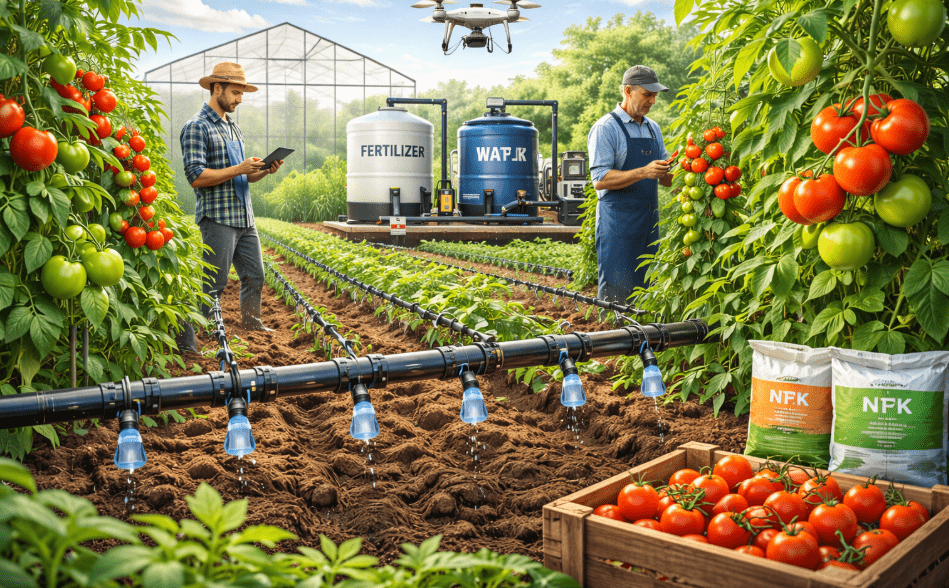
For example, Aspagrow’s smart irrigation systems automatically adjust water flow based on soil conditions, ensuring that every drop counts. This not only saves water but also increases crop yield sustainably.
IoT in farming means farmers no longer guess — they know.
2. Drone Technology for Precision Agriculture
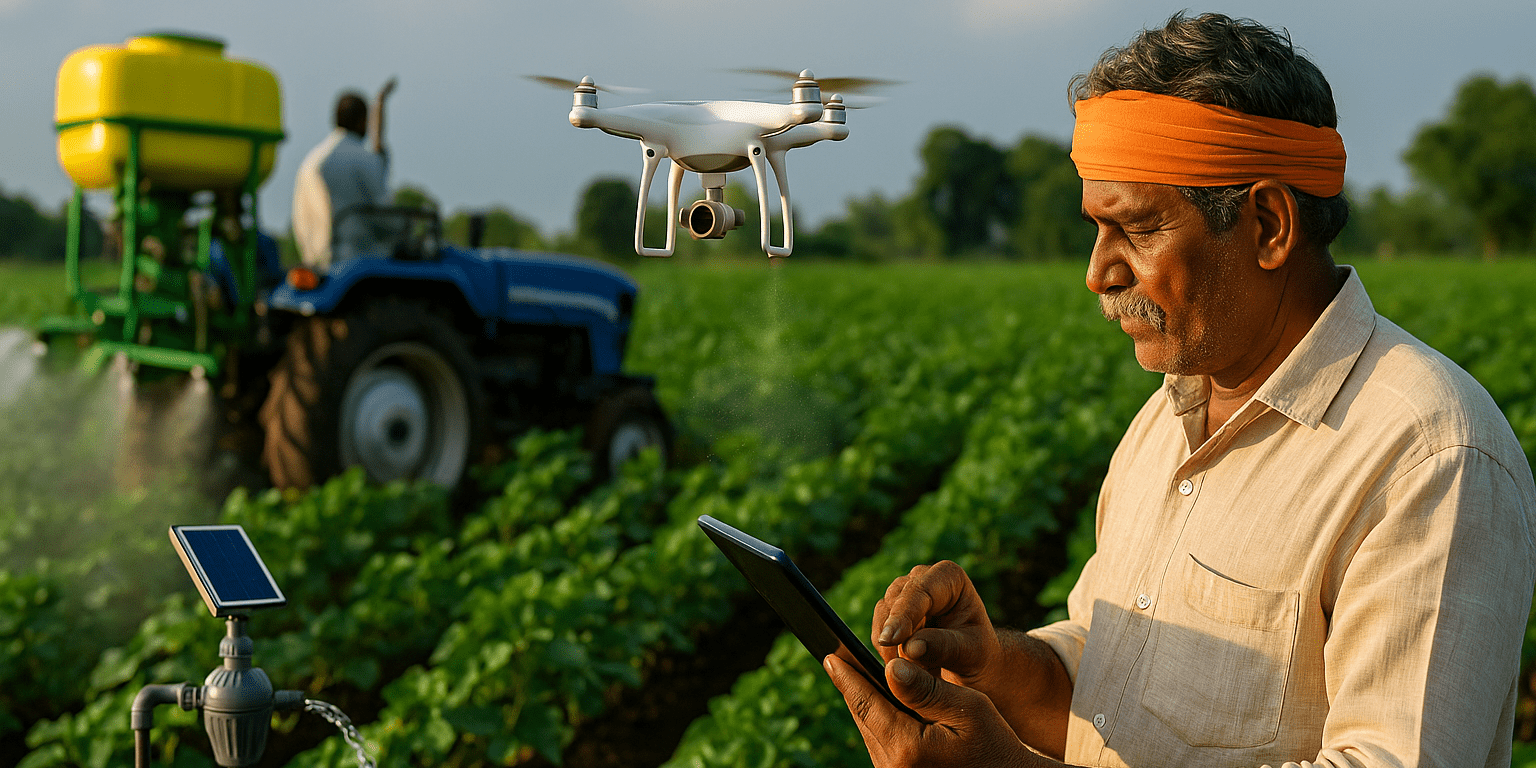
Drones are transforming how farmers view and manage their land. These flying machines are more than cool gadgets; they’re powerful tools for monitoring crops, mapping fields, and even spraying fertilizers and pesticides with precision.
Modern drones equipped with multispectral and thermal cameras can capture data about plant health, detect diseases early, and create accurate crop maps.
Aspagrow’s drone-assisted farming models are helping Indian farmers reduce manual labor and improve accuracy — cutting pesticide use by up to 30%.
Imagine managing hundreds of acres without stepping outside your house. That’s the power of drones in modern agriculture!
3. Artificial Intelligence (AI) and Machine Learning
AI is the brain of modern farming. It processes massive amounts of agricultural data — from weather patterns to soil reports — and helps farmers make faster, better decisions.
With AI-driven analytics, farmers can predict crop diseases, estimate yield, and determine the best time for planting and harvesting. Machine learning algorithms continuously improve over time, making predictions more accurate every season.
For instance, Aspagrow’s AI-based crop monitoring tools help identify nutrient deficiencies and suggest corrective actions instantly. By blending artificial intelligence with human expertise, farming becomes more proactive, less reactive — and far more profitable.
4. Precision Agriculture and Data Analytics
Precision agriculture is all about using the right input, in the right amount, at the right time. It minimizes waste while maximizing productivity.
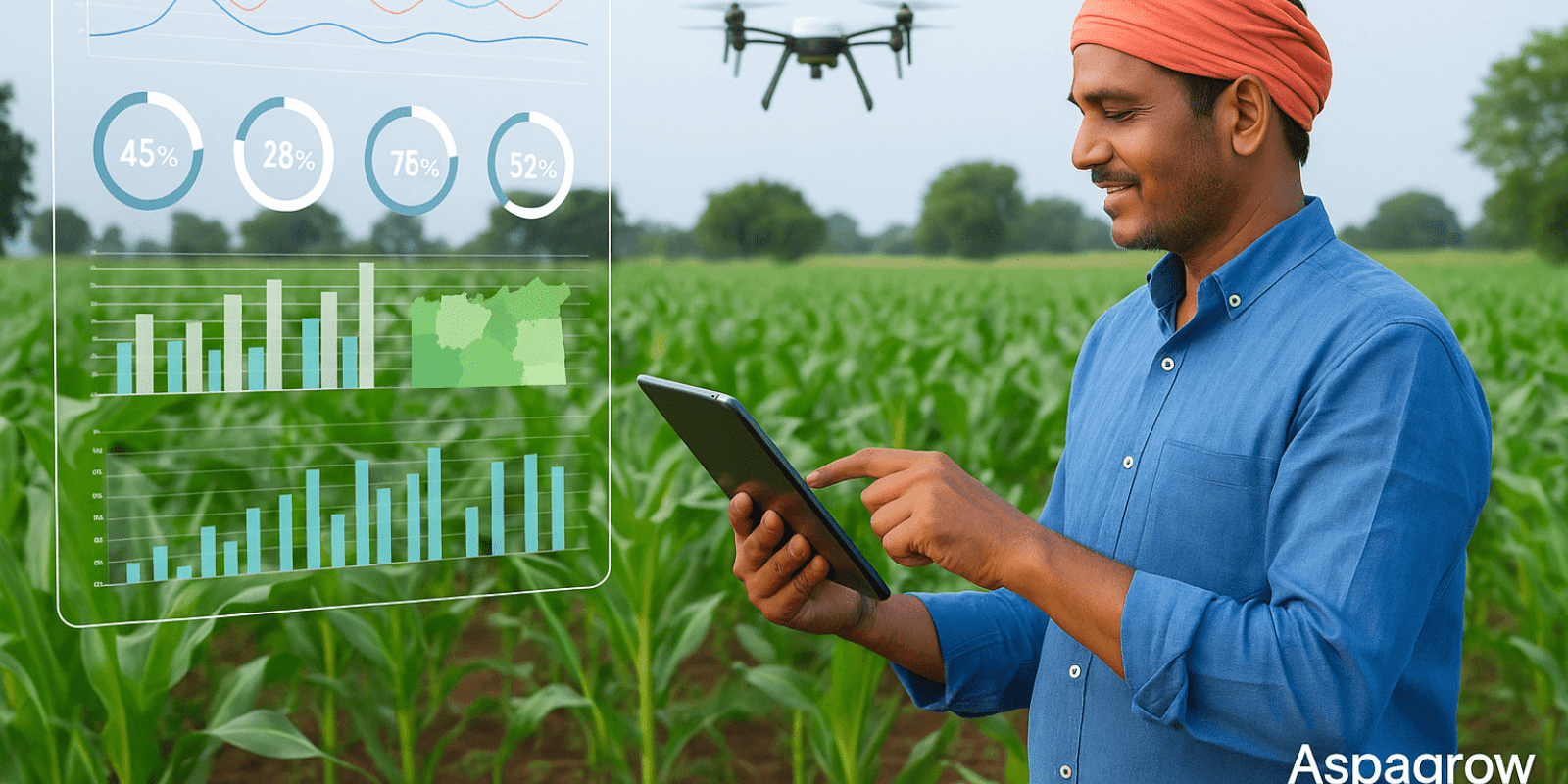
Data collected through sensors, GPS, and satellites is analyzed to guide decisions about seeding, fertilizing, and irrigation. Farmers can divide their land into zones and treat each section according to its needs — instead of treating the entire field uniformly.
Aspagrow’s data-driven soil testing and mapping tools provide actionable insights for fertilizer planning and crop management. The result? Improved soil health, higher efficiency, and sustainable profits.
In short, data is the new fertilizer — and analytics is the key to unlocking its full power.
5. Solar-Powered Farming Solutions
Energy costs can weigh heavily on farmers. That’s why solar-powered systems are becoming a vital part of modern agriculture. From solar irrigation pumps to greenhouse lighting, renewable energy is making farming more sustainable and affordable.
Solar energy also supports IoT-based remote systems, ensuring uninterrupted operation even in off-grid areas.
Aspagrow’s solar-integrated irrigation systems allow farmers to water their fields efficiently while cutting energy bills. Plus, it reduces carbon emissions — a win for both the farmer and the planet.
6. Smart Irrigation and Water Management
Water is life in agriculture — but managing it is a growing challenge. Smart irrigation systems use sensors, IoT, and automation to deliver just the right amount of water, when and where it’s needed.
These systems analyze soil moisture, weather forecasts, and crop type before releasing water through drip or sprinkler networks.
Aspagrow’s AI-driven irrigation controllers can be operated via smartphones, helping farmers reduce water waste by up to 40%. Such systems ensure healthy crops and sustainable water use, especially in drought-prone areas.
7. Biotechnology and Genomic Innovation
Biotechnology is helping farmers grow crops that are more resilient to pests, drought, and disease. Through genetic research and genome editing, scientists are developing high-yield, climate-smart varieties that can thrive in changing environments.
For example, drought-tolerant maize, pest-resistant cotton, and nutrient-rich rice varieties are already improving global food security.
Aspagrow collaborates with biotech innovators to promote safe, eco-friendly solutions that enhance productivity without harming soil health or biodiversity.
8. Automation and Robotics in Farming
From robotic harvesters to autonomous tractors, automation is changing how we grow and harvest food. Robots can plant seeds, weed fields, and even pick fruits with incredible precision.
For large-scale farms, this means reduced labor dependency and improved consistency. Even small farms are adopting semi-automated irrigation and fertilizer systems for higher efficiency.
Aspagrow helps farmers integrate smart automation gradually, ensuring the technology complements rather than replaces the farmer’s expertise. It’s about working smarter, not harder.
9. Blockchain in Agriculture Supply Chain
Consumers today care about where their food comes from — and blockchain technology is making that transparency possible. By recording every step of the supply chain — from seed to shelf — blockchain ensures traceability, quality, and trust.
Farmers can log crop data securely, buyers can verify product origins, and consumers can know exactly how their food was grown.
Aspagrow is exploring blockchain integration for fair pricing and quality assurance, ensuring both farmers and buyers benefit from transparent systems.
10. Vertical and Urban Farming
As urban spaces grow and farmland shrinks, vertical farming is emerging as a smart solution. It involves growing crops in stacked layers inside controlled environments — often using hydroponics or aeroponics.
Vertical farming uses 90% less water and eliminates the need for pesticides. It’s ideal for cities where space is limited.
Aspagrow supports urban farming initiatives with customized hydroponic kits, organic nutrients, and smart lighting systems — helping individuals grow fresh food right in their apartments or rooftops.
The Aspagrow Vision: Technology with a Human Touch
At Aspagrow, we believe technology should empower farmers, not overwhelm them. Our goal is to make smart farming accessible and affordable for everyone, from small-scale growers to large agricultural enterprises.
Through our IoT-based solutions, organic boosters, and training programs, we’re helping farmers transition smoothly into digital agriculture.
Our motto: “Smarter Tech, Greener Growth.” 🌱
By blending tradition with technology, Aspagrow is cultivating a future where every farmer can produce more with fewer resources — sustainably, efficiently, and proudly.
FAQs | Tech Trends in Agriculture
Lets have some discussion on Tech Trends in Agriculture :
1. What are the latest tech trends transforming agriculture?
The latest tech trends include IoT-based smart farming, drones for crop monitoring, AI and machine learning, blockchain, and smart irrigation systems. These technologies help farmers save resources and improve productivity.
Aspagrow specializes in integrating these systems into Indian farming practices, making advanced technology easy to use for every farmer.
2. How does artificial intelligence benefit modern farming?
AI analyzes soil health, weather, and crop data to make accurate predictions and recommendations. It helps detect diseases early, optimize fertilizer use, and improve yield forecasts.
Aspagrow’s AI-driven crop health monitoring tools allow farmers to make data-based decisions, reducing costs and boosting profitability.
3. What is precision agriculture, and why is it important?
Precision agriculture focuses on targeted resource use — applying the right input, at the right time, in the right amount. It ensures better crop health, minimizes waste, and enhances yield.
With Aspagrow’s IoT and data analytics tools, farmers can track every inch of their land and achieve near-perfect precision in farming.
4. Can small farmers afford modern farming technologies?
Yes! With innovations becoming more affordable and scalable, even small farmers can now adopt smart solutions.
Aspagrow provides low-cost IoT kits, mobile monitoring apps, and solar-based irrigation systems, helping smallholders embrace technology without financial strain.
5. What role will Aspagrow play in the future of agriculture?
Aspagrow is shaping the future of Indian agriculture through its commitment to sustainability and innovation. From smart irrigation to organic boosters and data analytics, Aspagrow empowers farmers to grow better, earn more, and farm smarter.
Our mission is simple: make technology an everyday companion for farmers across India.
Conclusion
The future of agriculture is smart, connected, and sustainable. With technologies like IoT, AI, drones, and smart irrigation leading the way, farming is entering a golden era of innovation.
But technology alone isn’t enough — it needs guidance, accessibility, and trust. That’s where Aspagrow steps in, empowering farmers with the tools and training to use these innovations wisely.
Together, we can grow more food, save more water, and build a greener planet — one smart farm at a time.