Water is one of the most valuable resources in agriculture, yet it is often wasted due to outdated irrigation methods. Flood irrigation, overwatering, and uneven water distribution not only waste water but also harm soil health and crop productivity. This is where Smart Irrigation Solutions come into the picture.
At Aspagrow, we strongly believe that the future of farming depends on efficient water management combined with modern technology. Smart Irrigation Solutions help farmers use the right amount of water at the right time, ensuring healthier crops, better yields, and long-term sustainability.
With climate change, unpredictable rainfall, and rising water scarcity, adopting smart irrigation is no longer optional—it is essential.
What Are Smart Irrigation Solutions?
Smart Irrigation Solutions are advanced irrigation systems that use technology such as sensors, data analytics, weather forecasts, and automation to optimize water usage. Unlike traditional irrigation, smart systems deliver water based on actual crop needs rather than fixed schedules.
These systems monitor:
- Soil moisture levels
- Weather conditions
- Crop water requirements
- Evaporation rates
By doing this, Smart Irrigation Solutions reduce water waste while improving crop growth.

How Smart Irrigation Solutions Work
Smart irrigation systems work through a combination of hardware and software.
Key Components:
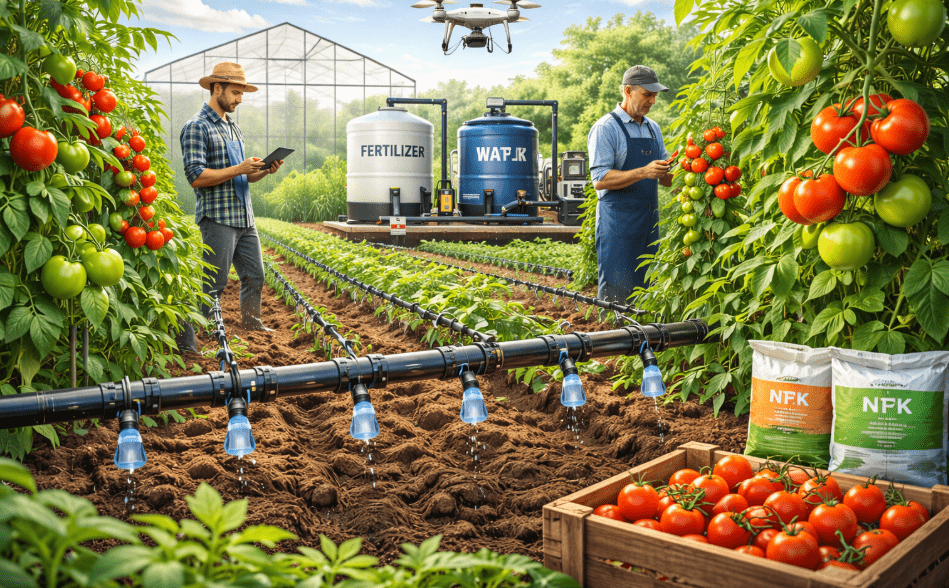
- Soil moisture sensors – Measure water content in soil
- Weather-based controllers – Adjust irrigation based on rainfall and temperature
- Automated valves – Control water flow precisely
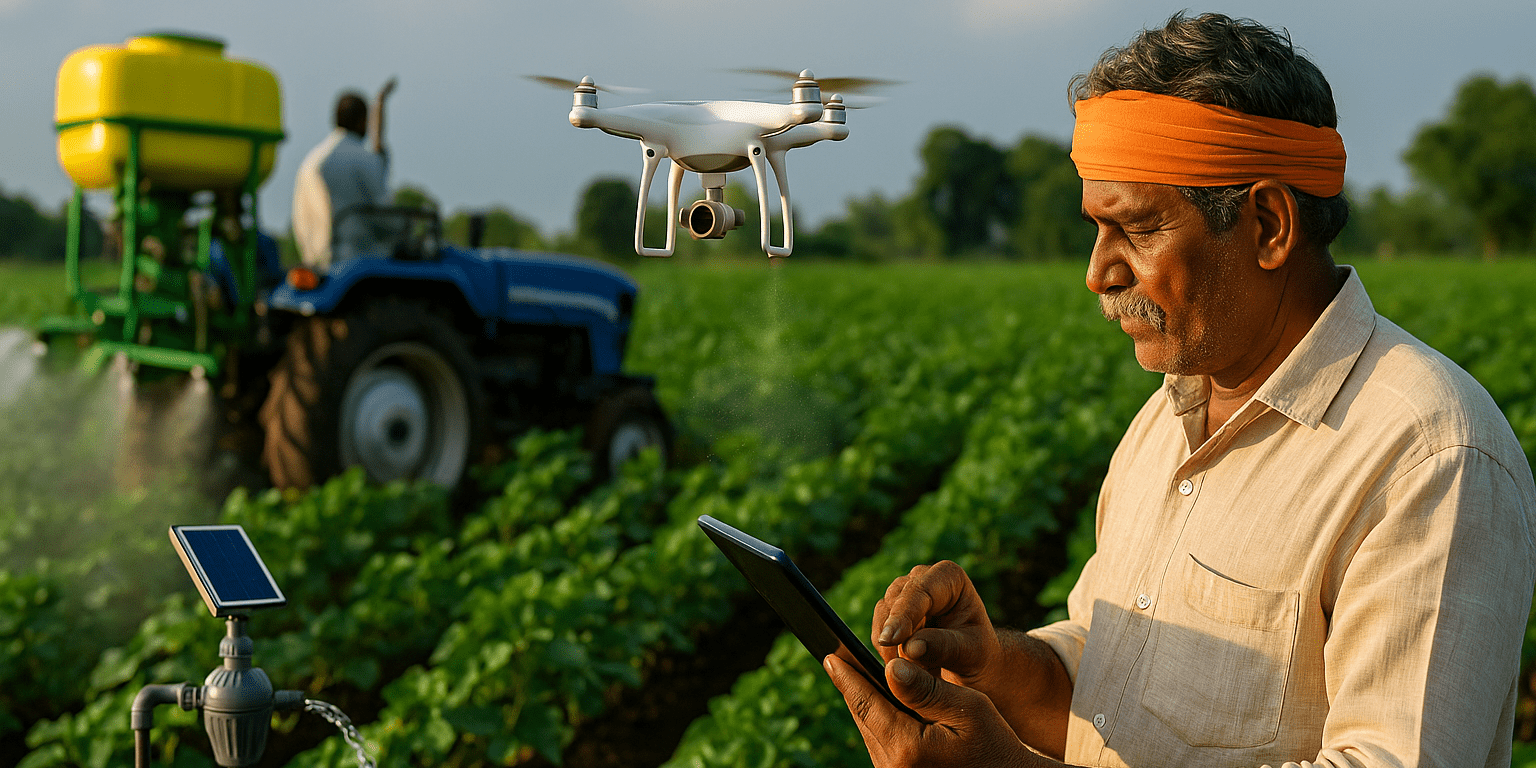
- Mobile apps & dashboards – Allow remote monitoring and control
At Aspagrow, we emphasize easy-to-use systems that farmers can manage without technical complexity.
Types of Smart Irrigation Solutions
1. Drip Irrigation with Smart Controllers
Smart drip irrigation delivers water directly to plant roots and adjusts flow automatically based on real-time data. This method can save up to 50% water compared to traditional irrigation.
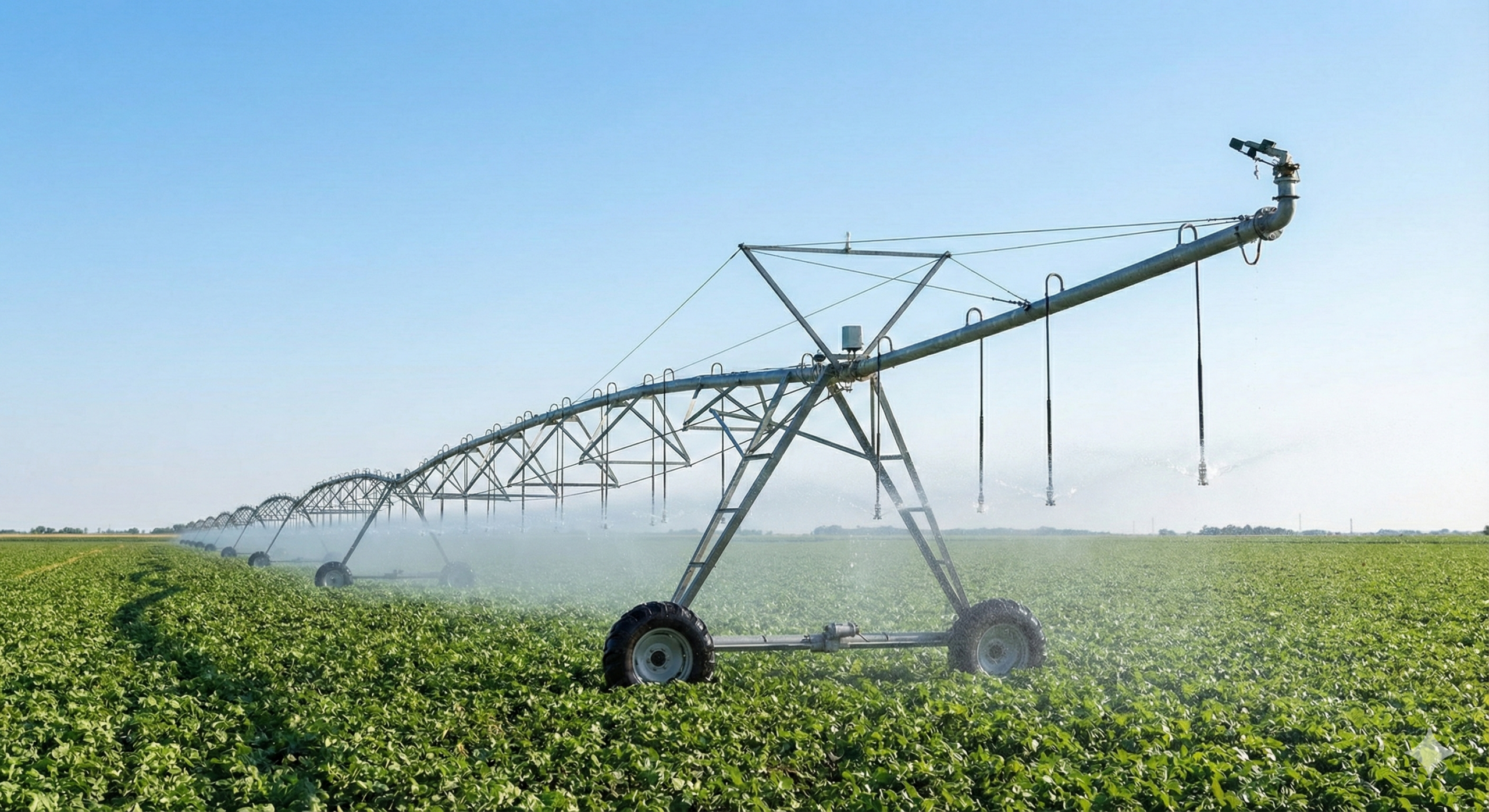
2. Sprinkler Systems with Weather Sensors
Weather-based irrigation controllers stop watering during rain and increase watering during hot days. This prevents overwatering and crop stress.
3. Soil Moisture Sensor-Based Irrigation
These Smart Irrigation Solutions activate irrigation only when soil moisture drops below a set level, ensuring crops get water only when needed.
4. AI-Based Irrigation Systems
Advanced systems use artificial intelligence to analyze crop patterns, soil health, and climate data to make precise irrigation decisions.
Benefits of Smart Irrigation Solutions
1. Saves Water
Smart Irrigation Solutions reduce water wastage by delivering only required water, helping conserve groundwater and surface water resources.
2. Improves Crop Yield
Proper water management leads to healthier plants, stronger roots, and higher yields.
3. Reduces Cost
Less water usage means lower electricity and pumping costs, improving farm profitability.
4. Enhances Soil Health
Overwatering damages soil structure. Smart irrigation maintains balanced soil moisture.
5. Supports Sustainable Farming
At Aspagrow, sustainability is a priority. Smart Irrigation Solutions help reduce environmental impact.
Role of Technology in Modern Water Management
Technology plays a major role in transforming irrigation practices. Data-driven irrigation ensures precise control and long-term efficiency.
Key Technologies Used:
- Internet of Things (IoT)
- Cloud-based data platforms
- Artificial intelligence
- Mobile connectivity
Smart Irrigation Solutions bring agriculture closer to precision farming.
Smart Irrigation Solutions for Small & Large Farms
One common myth is that smart irrigation is only for large farms. In reality, Smart Irrigation Solutions are scalable and can be used by:
- Small farmers
- Greenhouse growers
- Orchard owners
- Commercial farms
Aspagrow supports flexible solutions that fit different farm sizes and budgets.
Challenges in Traditional Irrigation Systems
Traditional irrigation methods face many issues:
- Uneven water distribution
- High water loss
- Increased soil salinity
- Crop stress
- Higher labor requirements
Smart Irrigation Solutions solve these problems by automating and optimizing the entire process.
Smart Irrigation and Climate Change
Climate change has made rainfall unpredictable. Smart Irrigation Solutions help farmers adapt by:
- Using weather forecasts
- Reducing dependency on rainfall
- Managing drought conditions effectively
This makes farming more resilient and future-ready.
Market Growth of Smart Irrigation Solutions
The global smart irrigation market is growing rapidly due to:
- Water scarcity
- Government support
- Rising demand for sustainable agriculture
Countries with water-stressed regions are actively adopting Smart Irrigation Solutions.
At Aspagrow, we see this as an opportunity for farmers to stay ahead of the curve.
How Aspagrow Supports Smart Irrigation Adoption
At Aspagrow, we focus on:
- Promoting water-efficient farming
- Educating farmers on smart technologies
- Supporting sustainable crop production
- Encouraging long-term agricultural innovation
Smart Irrigation Solutions align perfectly with our vision of smart and responsible agriculture.
Future of Smart Irrigation Solutions
The future of irrigation lies in:
- Fully automated systems
- AI-driven decision-making
- Integration with farm management software
- Solar-powered irrigation
Smart Irrigation Solutions will continue to evolve, making farming more efficient and eco-friendly
FAQ
1. What size of farm is suitable for a smart irrigation system?
Smart irrigation systems are scalable. Even a small farm of 0.5–1 hectare can benefit. The key is modular zones: you can start small (one zone) and expand later. As you grow, you can add more sensors, valves, and controllers without needing to overhaul the entire system.
2. How much water can smart irrigation save?
Studies show that IoT-based smart irrigation can reduce water use by about 20–40% compared to traditional fixed schedule systems, depending on soil type, crop, and climate.
3. Is solar power sufficient to run smart irrigation systems?
Yes, for many setups, especially drip systems with modest pump requirements. With proper sizing of solar panels and battery, controllers and pumps can run autonomously. Controllers should be energy efficient, and the system should include low-power standby modes.
4. What communication protocols are used in IoT smart irrigation?
Common protocols include LoRa/LoRaWAN, GSM/4G, NB-IoT, WiFi, and even Zigbee. Choice depends on range, power, data needs, and local connectivity infrastructure.
5. How do I start converting my existing irrigation to “smart”?
You can retrofit existing systems by adding:
- Soil moisture sensors
- Smart controller/valve modules
- Communication modules
- Integrating weather data inputs
Begin with one zone, test performance, and gradually expand once you see water savings and yield benefits.
Conclusion
The fusion of Smart Sensors and IoT-based Smart Irrigation Systems is not just a technological upgrade — it’s a revolution in modern agriculture. Farmers today can monitor soil moisture, automate watering, and even predict weather patterns, ensuring that every drop of water counts. From solar-powered smart irrigation systems for agriculture to smart drip irrigation systems for vegetable farming, technology is paving the way for sustainable, eco-friendly, and profitable farming.
At Aspagrow, we believe in empowering farmers with the tools and knowledge they need to grow smarter. Our mission is to bring affordable smart irrigation solutions and IoT-based agricultural innovations to every field — from small farms to large-scale plantations. By adopting Aspagrow’s smart farming systems, farmers can save water, reduce energy costs, and increase yields while contributing to a greener planet.
The future of agriculture is data-driven, sustainable, and connected — and Aspagrow is here to help farmers lead that change. Together, let’s cultivate smarter farms, healthier crops, and a more sustainable tomorrow.