Rice remains the world’s most important staple crop, feeding nearly half of the global population. Its price movements influence food security, trade balance, and the livelihoods of millions of farmers across Asia, Africa, and Latin America.
In 2025, global rice markets are showing mixed signals — abundant supply, changing trade policies, and regional demand shifts are reshaping how rice is priced and traded. For both smallholder farmers and large exporters, understanding these dynamics is critical for planning and sustainability.
This article explores 10 key takeaways shaping global rice price trends in 2025, with insights supported by data, policy updates, and real market behavior.

1. Record Global Supply is Keeping Prices Under Pressure
According to the USDA Rice Outlook Report (May 2025), global rice production is projected to hit 522 million metric tons, a record high. Favorable monsoon conditions in Asia, particularly in India and Southeast Asia, have led to bumper harvests.
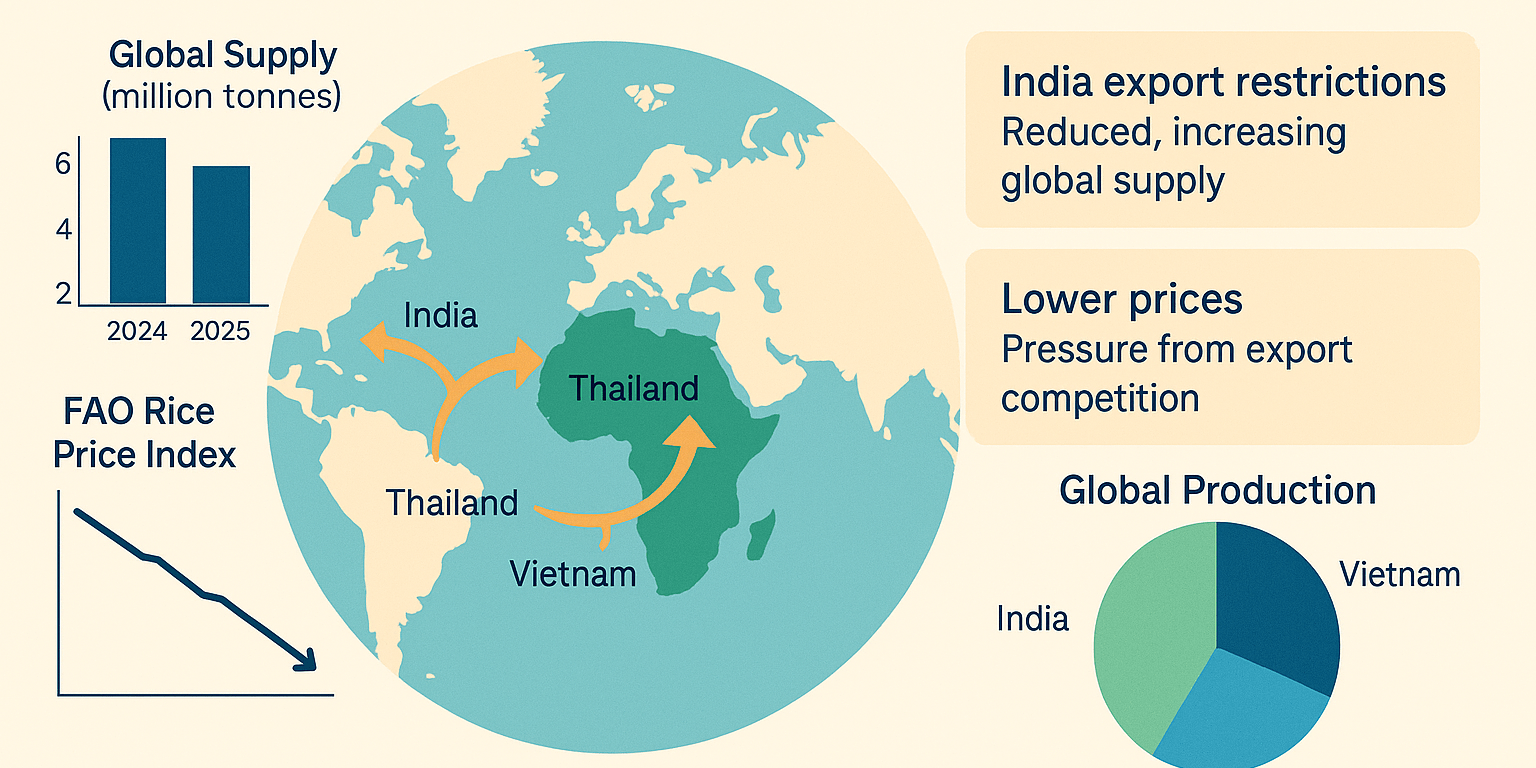
This oversupply has pushed international prices down by nearly 10–12% compared to 2024, with benchmark Thai and Vietnamese export rice declining steadily. Global demand has not kept pace with production, creating a situation where exporters compete aggressively, lowering prices further.
Insight: The world rice market has entered a period of price correction after two years of weather-driven spikes. Exporters must now focus on efficiency and diversification.
2. India’s Export Policies Are Reshaping Global Trade Flows
India continues to dominate the rice export market, accounting for more than 40% of global exports. After temporarily restricting exports in 2023–24 to stabilize domestic prices, India’s government lifted several export bans in early 2025.
This release of supply into the international market added millions of tons to global availability, intensifying price competition and pressuring rivals like Thailand and Vietnam.
Exporters in these countries have been forced to reduce export prices by 5–7%, especially for parboiled and non-basmati varieties, to stay competitive.
Aspagrow Note: For Indian farmers, this policy means lower local procurement prices, but exporters and buyers benefit from higher trade volumes.
3. FAO Rice Price Index Hits a 3-Year Low
According to the Food and Agriculture Organization (FAO), the All-Rice Price Index dropped to its lowest level since 2021. The decline reflects easing supply constraints, stable shipping routes, and softening import demand from key buyers like the Philippines, Bangladesh, and West Africa.
FAO analysts predict that the global rice price index will remain under pressure through mid-2026 unless unexpected climatic events disrupt production.
Fact: In July 2025, the average export price for Thai 5% broken rice stood around $520 per ton, compared to $610 in 2024.
4. Regional Disparities in Price Movements
Despite overall price softness, regional variations are significant.
- In Japan, consumer rice prices rose by 8% due to low domestic yields and government storage policies.
- In Southeast Asia, export competition led to lower prices, benefiting importers like Indonesia.
- In Africa, rice import costs declined, improving food affordability but challenging local producers.
The takeaway: Global averages don’t tell the full story. Farmers and traders must analyze local demand and logistics costs when making decisions.
5. Currency and Input Costs Still Influence Farmer Profitability
Even though global rice prices have decreased, production costs remain high. Fertilizer prices, fuel expenses, and logistics fees continue to impact farmers. In countries like India and Thailand, currency appreciation against the US dollar has reduced export competitiveness.
If the Indian rupee strengthens further, exporters will struggle to maintain profit margins despite strong output. Farmers are advised to adopt smart irrigation systems and organic boosters to reduce input costs, improving resilience in a low-price environment.
Aspagrow’s View: Farmers using smart agriculture solutions can offset low price cycles by optimizing inputs and reducing waste.
6. Outlook for 2025–2026: A Period of Adjustment
The global rice market in 2025 is moving from volatility to stabilization. Analysts expect moderate fluctuations but no significant recovery in prices in the short term.
The World Bank Commodity Outlook forecasts that rice prices may hover between $480–$520 per ton through mid-2026, depending on weather and export demand.
Conclusion: 2025 marks a reset year for the rice industry. High production and global stocks are keeping prices stable, but margins tight.
7. Farmers Face Margin Pressure Despite High Output
While consumers and importing countries benefit from low prices, farmers in exporting nations face reduced income. The cost of fertilizers, seeds, and energy has not dropped in proportion to market prices.
Smallholder farmers in Asia, particularly India, Bangladesh, and Myanmar, are now focusing on value-added crops such as organic rice, specialty grains, and basmati varieties to maintain profitability.
Aspagrow Recommendation: Shift towards sustainable and organic rice farming models supported by precision agriculture to increase quality and market value.
8. High Global Stock Levels Limit Price Rebounds
The global rice stock-to-use ratio remains above 35%, meaning the world has sufficient reserves to handle short-term supply shocks. Major holders like India, China, and Indonesia have built buffer stocks for food security.
These reserves act as a price cushion, preventing significant price hikes even during regional disruptions. However, large inventories can also discourage new investments in high-cost farming methods, as returns remain uncertain.
Key Takeaway: A healthy stock position stabilizes the global market but keeps farmgate prices subdued.
9. Shift Toward Premium, Organic, and Specialty Rice
While conventional rice prices are flat, demand for premium-quality, organic, parboiled, and fortified rice is rising in global markets. Health-conscious consumers in Europe, North America, and East Asia are driving this change.
The global organic rice market is projected to grow by 7.5% annually through 2030. Farmers adopting organic cultivation can fetch 20–40% higher prices in export markets.
Aspagrow helps farmers transition to this new trend with natural soil boosters, pest management systems, and certification support.
Opportunity: Differentiation is the key. The more unique your rice, the more insulated you are from commodity price drops.
10. Technology and Efficiency Define the Future of Rice Farming
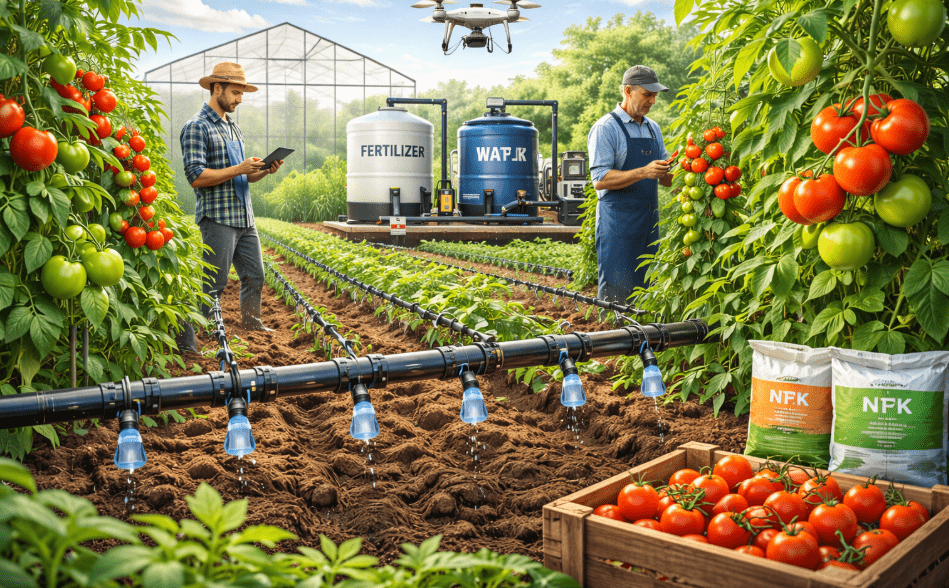
In the age of smart agriculture, the adoption of IoT-based irrigation, AI crop analytics, and drone-assisted monitoring is no longer optional — it’s essential. These technologies help farmers reduce costs, improve yield, and maintain quality even when prices fluctuate.
Farmers using Aspagrow’s data-driven farming systems can track soil moisture, nutrient levels, and crop health in real time — optimizing inputs and ensuring consistent production.
Final Insight: In 2025 and beyond, technology will determine which farmers thrive in a price-pressured world.
Implications for the Rice Industry
For Farmers: Focus on efficiency, cost control, and crop diversification. Use smart irrigation and sustainable inputs. Consider shifting toward premium and organic rice segments.
For Exporters: Maintain flexibility with pricing and markets. Develop strong partnerships in Africa and the Middle East, where rice demand is still rising.
For Policymakers: Encourage sustainable production, support farm income through technology adoption, and avoid sudden export bans that destabilize the market.
For Consumers: Enjoy stable rice prices but support fair trade and sustainable sourcing to protect farmer livelihoods.
FAQ | Global Rice Prices
Lets have some discussion
1. Why are global rice prices falling in 2025?
The decline is due to record production, reduced import demand, and relaxed export restrictions. With high stock levels and good weather, supply exceeds consumption globally.
2. How can farmers remain profitable during low rice prices?
Farmers should reduce input costs, adopt smart irrigation and precision tools, and switch to premium rice varieties like basmati, parboiled, or organic rice for better returns.
3. Which countries are leading in rice exports in 2025?
India remains the largest exporter, followed by Thailand, Vietnam, and Pakistan. However, competition among these nations is keeping global prices under control.
4. What is the future outlook for rice prices in 2026?
Analysts predict stability, with prices between $480–$520 per ton, depending on global weather and demand conditions. A price rebound is unlikely without a major shock.
5. How does technology improve rice farming efficiency?
Using IoT-based sensors, drones, and AI analytics, farmers can optimize water and fertilizer usage, monitor plant health, and reduce waste. Aspagrow provides scalable smart farming systems for rice growers worldwide.
Conclusion
The global rice price trends in 2025 show a world of balance and challenge. With record harvests and competitive exports, prices are stable but profits are thin.
Farmers who rely on traditional methods may struggle, while those embracing innovation, organic farming, and technology-driven efficiency will find new opportunities.
As agriculture transitions toward sustainability, Aspagrow’s mission remains to empower farmers with modern tools, organic inputs, and intelligent farming solutions that make every acre more productive and profitable — even in low-price environments.
The rice market of the future will not just depend on weather or policy, but on data, innovation, and adaptability.