
Climate change has become one of the biggest challenges for farmers today. Unpredictable rainfall, extreme heat, droughts, floods, and changing seasons are directly affecting crop production and farmer income. Traditional farming methods alone are no longer enough to handle these challenges. This is where climate-smart agriculture comes in.
At AspaGrow, we focus on spreading awareness about modern and sustainable farming practices that help farmers adapt to climate change while protecting the environment.
What Is Climate-Smart Agriculture?
Climate-smart agriculture (CSA) is an approach that helps farmers increase productivity, build climate resilience, and reduce greenhouse gas emissions. It combines modern technology with traditional knowledge to protect crops from environmental stress.
The goal of climate-smart agriculture is not just to grow crops, but to ensure farming remains profitable and sustainable even under changing climate conditions.
Why Climate-Smart Agriculture Is Important
Climate change has made farming risky. Delayed monsoons, heat waves, and water shortages reduce crop yield and increase losses. Climate-smart agriculture helps farmers:
- Adapt to unpredictable weather
- Reduce crop failure risks
- Improve soil and water management
- Maintain stable income
These methods prepare farmers for future climate challenges.

Key Climate-Smart Farming Methods
1. Smart Water Management
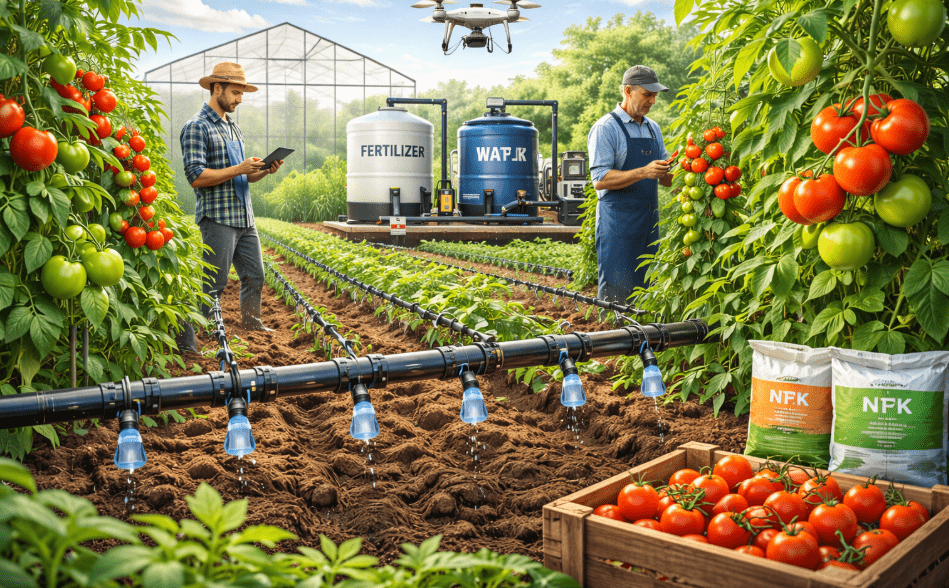
Using drip irrigation, sprinklers, and rainwater harvesting helps farmers save water and protect crops during droughts. Efficient irrigation ensures crops get water only when needed.
2. Climate-Resilient Crop Varieties
New seed varieties that are drought-resistant, flood-tolerant, or heat-resistant help farmers manage climate stress and maintain yield.
3. Soil Health Improvement
Healthy soil stores more carbon and retains moisture better. Practices like mulching, composting, and reduced tillage improve soil structure and fertility.
4. Crop Diversification and Rotation
Growing different crops reduces risk. If one crop fails due to climate stress, others can still provide income. Crop rotation also improves soil health and reduces pest problems.
5. Use of Modern Technology
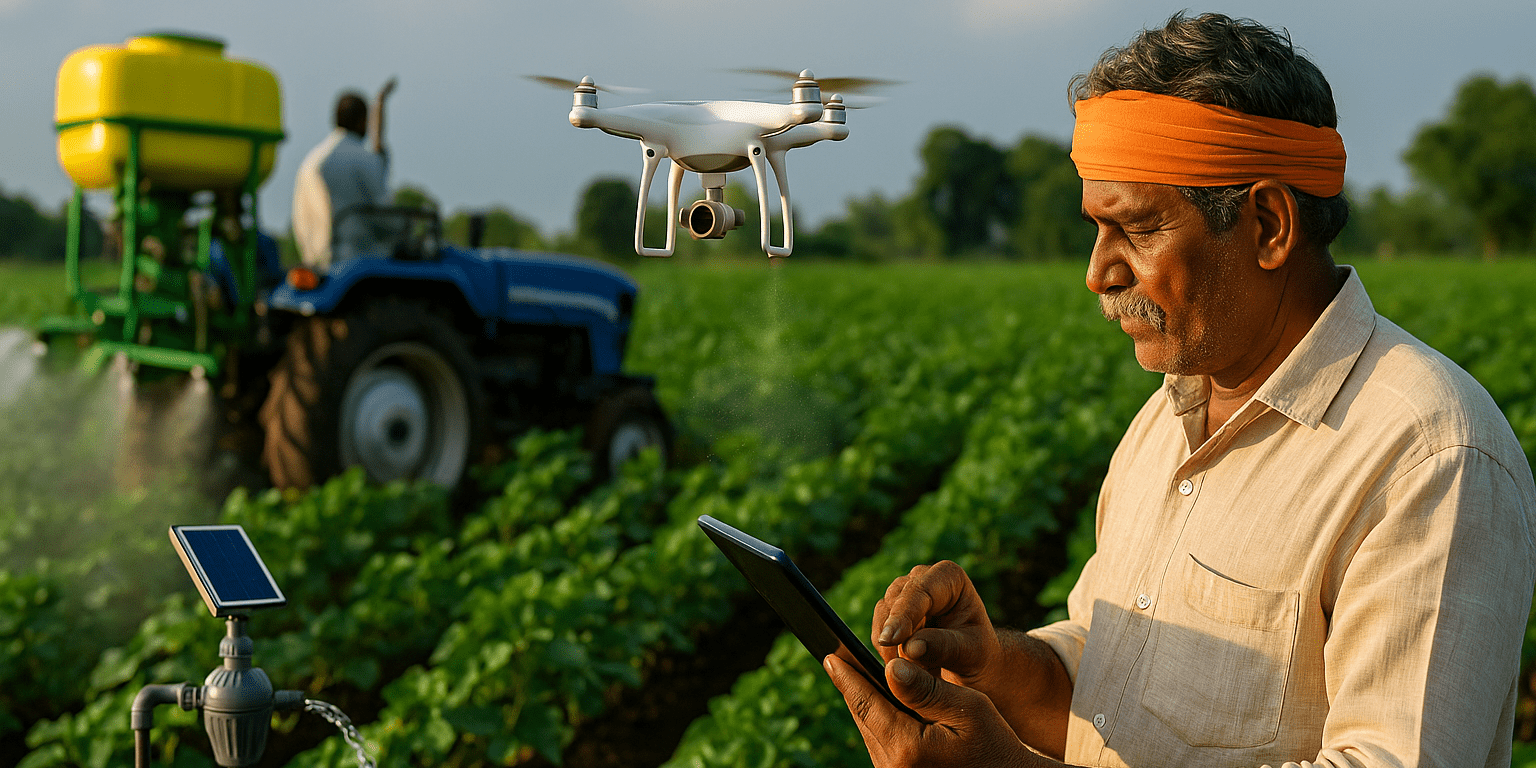
Weather-based advisory services, mobile apps, and sensors help farmers make better decisions about sowing, irrigation, and harvesting.
Low-Emission Farming Practices
Climate-smart agriculture also focuses on reducing emissions by:
- Reducing excessive fertilizer use
- Promoting organic and natural farming
- Using energy-efficient farm machinery
These practices protect the environment while improving farm sustainability.
Benefits for Farmers
Farmers practicing climate-smart agriculture experience:
- Better crop survival under stress
- Reduced input costs
- Improved long-term productivity
- Protection against climate risks
At AspaGrow, we believe climate-smart farming is not optional—it is necessary for the future of agriculture.
FAQs | Climate-Smart Agriculture
Q1. What is climate-smart agriculture and why is it important?
Climate-smart agriculture is a farming approach that helps farmers adapt to climate change while maintaining productivity and reducing environmental impact. It focuses on climate resilience, efficient use of resources, and low-emission farming practices. With unpredictable weather becoming common, climate-smart agriculture is important to protect crops, reduce risks, and ensure long-term food security for farmers.
Q2. How does climate-smart agriculture help farmers fight climate change?
Climate-smart agriculture helps farmers fight climate change by improving soil health, conserving water, and using climate-resilient crop varieties. These methods reduce crop damage from droughts, floods, and heat stress. By adopting smart irrigation, crop diversification, and data-driven decisions, farmers can adapt to changing climate conditions more effectively.
Q3. Is climate-smart agriculture suitable for small farmers?
Yes, climate-smart agriculture is highly suitable for small and marginal farmers. Many practices such as mulching, crop rotation, rainwater harvesting, and improved seed selection are low-cost and easy to adopt. Government schemes and training programs also support small farmers in implementing climate-smart techniques.
Q4. Does climate-smart agriculture reduce farming costs?
In the long run, climate-smart agriculture helps reduce farming costs by lowering water usage, minimizing fertilizer wastage, and preventing crop loss. Efficient resource management and better planning result in higher productivity with fewer inputs, improving overall farm profitability.
Q5. How does AspaGrow support climate-smart agriculture awareness?
AspaGrow supports climate-smart agriculture by sharing practical knowledge through blogs, guides, and farming insights. The platform helps farmers understand modern, sustainable methods that improve resilience against climate stress and ensure long-term farming success.
Conclusion
Climate-smart agriculture offers practical solutions to fight climate change and protect farming livelihoods. By adopting new farming methods that focus on resilience, efficiency, and sustainability, farmers can face climate challenges with confidence.
With the right guidance, awareness, and support from platforms like AspaGrow, climate-smart agriculture can secure the future of farming for generations to come.