Agriculture is stepping into a new era—one powered by autonomous farming machinery, robotics, AI tools, and precision automation. As global food demand grows, farmers need innovative technologies that increase efficiency, reduce labor dependency, and boost productivity.
This is where AspaGrow plays a transformative role by helping farmers adopt smart, automated, and AI-driven machinery that makes farming faster, easier, and more profitable.
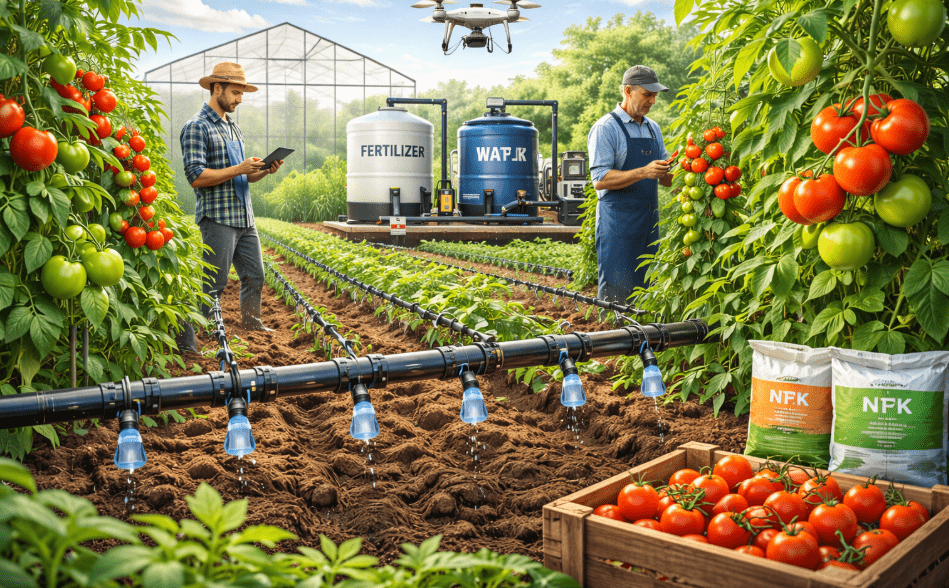
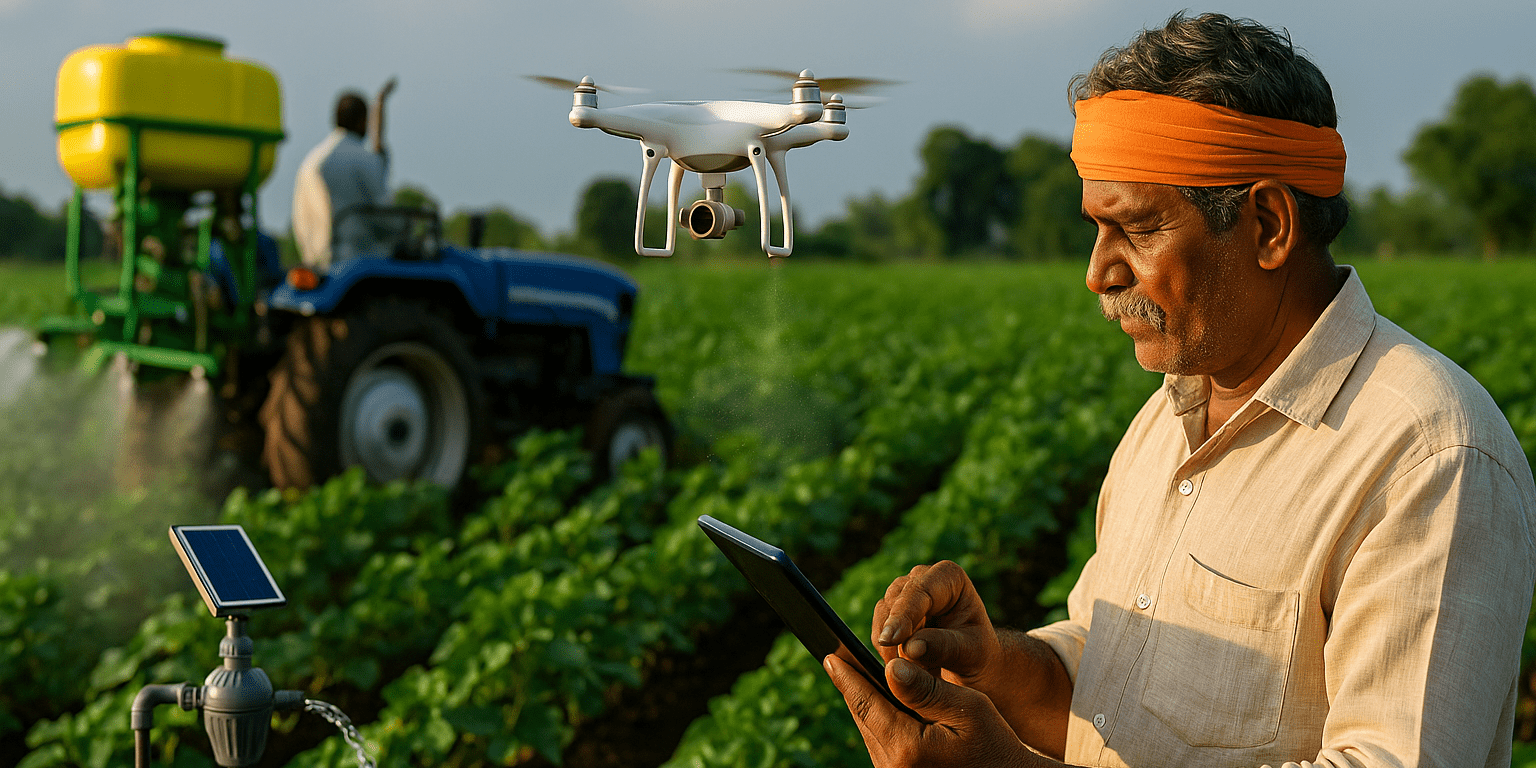
With AspaGrow’s advanced solutions, farmers can seamlessly integrate autonomous tractors, robotic sprayers, drone monitoring systems, and smart irrigation units into their everyday operations. These technologies not only improve accuracy but also reduce input wastage and enhance sustainability.
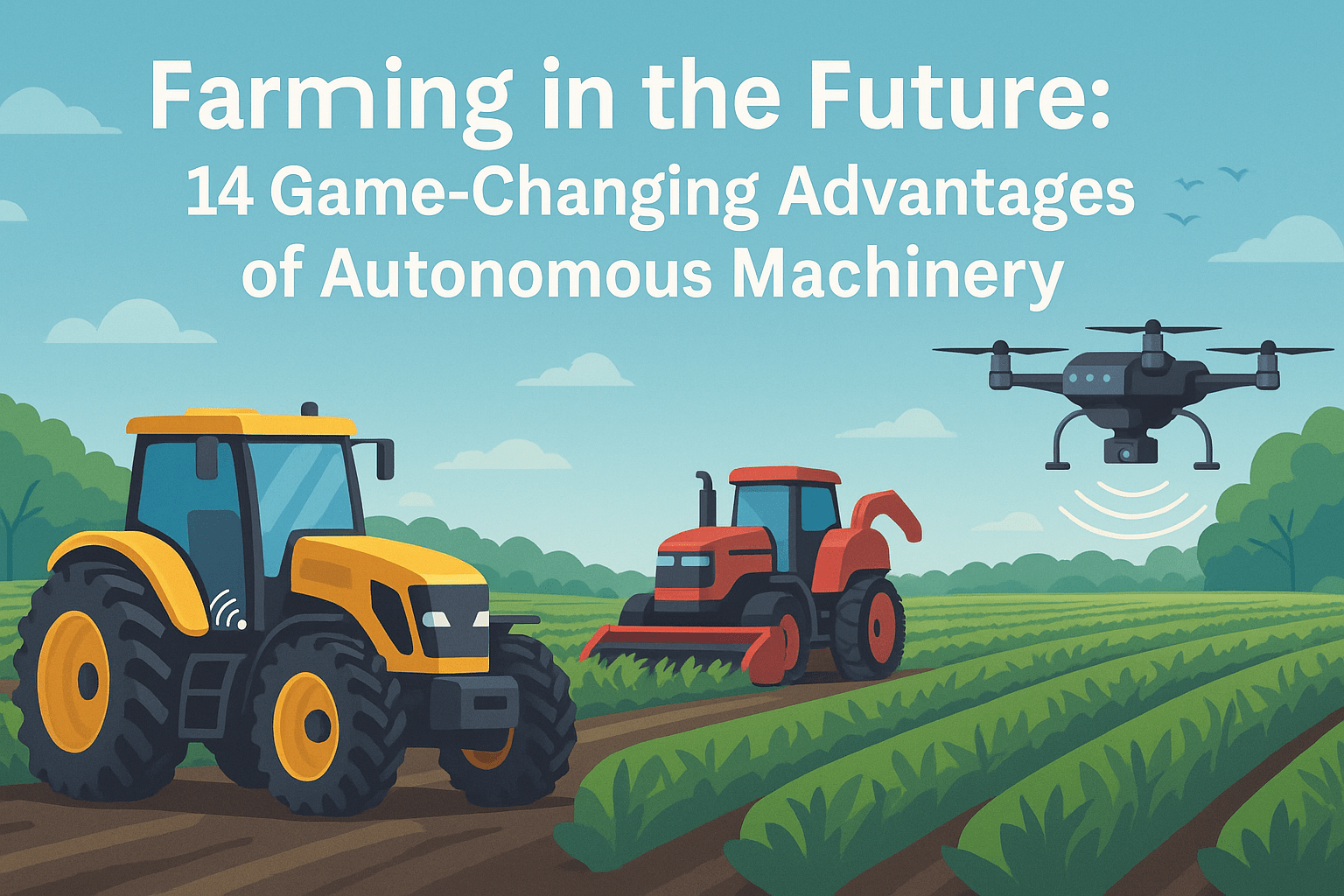
Let’s explore the 14 game-changing advantages of autonomous machinery and how AspaGrow is leading the future of farming.

1. Drastic Reduction in Labor Shortage Problems
One of the biggest challenges modern farmers face is the growing shortage of skilled labor. Autonomous machinery such as robotic harvesters, automated tractors, and AI sprayers help fill this gap.
How it helps:
- Machines can work without breaks
- No dependency on seasonal labor
- Continuous work during peak seasons
- Reduced labor costs
High-ranking keyword: autonomous farming solutions
2. Higher Precision and Accuracy in Field Operations
Autonomous machinery supported by AspaGrow’s precision tools ensures perfect seed placement, accurate spraying, and real-time soil monitoring.
Benefits:
- Perfect seed placement
- Precise pesticide and fertilizer spraying
- Accurate soil mapping
- Optimized water usage
This level of precision directly results in higher yields and reduced input costs.
High-ranking keyword: precision agriculture technology
3. 24/7 Continuous Operation for Faster Productivity
Unlike human labor, autonomous machines can work day and night, even in challenging conditions.
Advantages:
- Faster plowing, sowing, and harvesting
- Increased operational hours
- Faster field preparation
- Timely crop cycle completion
Farming tasks that once required weeks can now be completed in days.
High-ranking keyword: 24/7 farming machinery
4. Significant Cost Savings Over Time
Although autonomous equipment requires investment, the long-term savings are massive.
Cost-saving factors:
- Lower labor expenses
- Less fuel and chemical wastage
- Higher productivity per hour
- Reduced crop losses
Over time, farms using automation report 15–40% higher net profitability.
High-ranking keyword: cost-effective farming technology
5. Improved Crop Monitoring and Early Problem Detection
AspaGrow offers drone-based crop health analysis that detects pest attacks and nutrient deficiencies early.
Early detections include:
- Pest infestations
- Nutrient deficiencies
- Water stress
- Diseases like leaf spot or blight
Early action = higher survival rates and better yields.
High-ranking keyword: AI crop monitoring tools
6. Environmentally Friendly and Sustainable Farming
Autonomous machinery reduces chemical overuse and soil damage.
Eco-benefits:
- Precision spraying
- Reduced soil compaction
- Controlled-release inputs
- Efficient irrigation
This leads to cleaner soil, healthier crops, and sustainable farming practices.
High-ranking keyword: sustainable autonomous farming
7. Fuel Efficiency and Lower Carbon Footprint
Electric and hybrid autonomous machines reduce fossil fuel dependency.
How it helps:
- Lower emissions
- Higher energy efficiency
- Reduced noise pollution
- Cleaner farming operations
Many smart tractors use AI-assisted route optimization to save fuel.
High-ranking keyword: eco-friendly farming machinery
8. Enhanced Safety for Farmers
Autonomous machinery reduces the risks associated with manual operations.
Safety improvements:
- No accidents from fatigue
- Less exposure to pesticides
- A safer environment during harsh weather
- Reduced injuries from heavy equipment
Machines handle dangerous tasks while farmers control them remotely.
High-ranking keyword: safe farming automation
9. Better Land Utilization and Optimized Field Planning
AI-powered tools create field maps that help farmers utilize land more effectively.
This helps with:
- Smart irrigation layouts
- Accurate fertilizer placement
- Improved drainage planning
- Optimized crop zoning
Farmers can understand which areas need more attention, leading to higher efficiency.
High-ranking keyword: smart field planning tools
10. Consistent Quality and Uniform Farming Practices
Automation ensures uniformity in every task—from planting to harvesting.
Results:
- Same seed depth
- Same fertilizer quantity
- Same irrigation levels
- Same harvesting standards
Consistency brings uniform crop growth, higher quality, and better market value.
High-ranking keyword: high-quality autonomous farming
11. Remote Control and Farm Management from Anywhere
Thanks to IoT, farmers can control machines from their smartphone.
Remote features include:
- Starting/stopping tractors
- Checking machine health
- Monitoring real-time field condition
- Adjusting irrigation schedules
Farmers can manage multiple fields without being physically present.
High-ranking keyword: IoT farming solutions
12. Increased Yield and Profitability
When machines perform tasks with precision, the results show in productivity.
Yield improvements due to:
- Better sowing and spacing
- Efficient fertilization
- Healthy soil
- Reduced diseases
- Better harvesting timing
Automation has shown 20–50% higher yield efficiency in many regions.
High-ranking keyword: increase crop yield with automation
13. Perfect for Large-Scale and Commercial Farming
Autonomous machinery is ideal for farms with larger land areas.
Large-scale advantages:
- Faster field coverage
- Reduced manpower dependency
- Predictable work schedules
- High-volume production capability
This makes autonomous farming the preferred choice for commercial agriculture.
High-ranking keyword: commercial farming machinery
14. Future-Ready Farming: Aligning with Global Trends
The future of agriculture will be built around technology:
- AI tractors
- Robotic weeders
- Drone sprayers
- Autonomous harvesters
- Smart irrigation robots
- AI-driven crop advisors
Countries like the USA, Japan, Israel, Netherlands, and India are already leading this revolution.
High-ranking keyword: future of farming technology
FAQs (SEO-Optimized)
1. What is autonomous farming machinery?
Autonomous farming machinery includes driverless tractors, robotic harvesters, drone sprayers, and AI-powered tools that perform tasks without human operation.
2. Is autonomous farming expensive for small farmers?
Many companies now offer affordable smart tools. Autonomous mini-tractors, small bots, and low-cost drones make automation accessible to small and medium farmers.
3. What are the benefits of robotic harvesting?
Robotic harvesters reduce labor needs, increase speed, improve fruit quality, and prevent crop losses caused by delayed harvesting.
4. How does AI help in farming?
AI analyzes soil, weather, crop health, pests, and nutrient levels to help farmers make better decisions about irrigation, fertilizers, and crop planning.
5. Is autonomous farming good for the environment?
Yes. It reduces fuel consumption, minimizes chemical wastage, protects the soil, and supports sustainable agriculture practices.
Conclusion
Autonomous machinery is no longer the future—it is the present reality that is reshaping agriculture worldwide. From increasing productivity to reducing labor shortages and improving sustainability, automation offers huge advantages to farmers.
With modern solutions from AspaGrow, farmers can confidently adopt autonomous tractors, drones, robotic harvesters, and smart irrigation systems without complexity. AspaGrow ensures seamless technology adoption, continuous support, and practical training for farmers who want to grow more with less effort.
The future of farming is autonomous, intelligent, and AspaGrow-powered.