Agriculture has always been the backbone of India’s economy, feeding millions and providing livelihoods across the country. Over the years, the Agriculture Department has played a vital role in transforming this traditional sector into a modern, sustainable, and technology-driven industry.
From supporting small-scale farmers with government schemes to promoting innovations like IoT-based smart irrigation systems, the Agriculture Department continues to empower the farming community with tools, training, and financial support.
At Aspagrow, we share this same vision — helping farmers adopt smarter, more efficient, and eco-friendly farming practices that ensure long-term success and sustainability.

The Role of the Agriculture Department in India
The Agriculture Department is responsible for shaping India’s agricultural policies, implementing development programs, and ensuring food security. It works closely with farmers, researchers, and agricultural companies to promote scientific farming methods and sustainable practices.
Key objectives of the Agriculture Department include:
- Boosting crop production and productivity
- Providing financial and technical support to farmers
- Encouraging the use of modern farming equipment
- Promoting organic and sustainable farming methods
- Offering training and awareness programs
By bridging the gap between technology and traditional farming, the Agriculture Department ensures that farmers are ready for the challenges of modern agriculture.
Government Schemes That Support Farmers
The Government of India, through the Agriculture Department, runs several schemes designed to uplift the rural farming community. These initiatives aim to reduce risks, increase income, and introduce innovation in the sector.
Some of the key programs include:
- Pradhan Mantri Krishi Sinchayee Yojana (PMKSY): Focuses on efficient water management and irrigation coverage.
- Pradhan Mantri Fasal Bima Yojana (PMFBY): Provides crop insurance to protect farmers from losses due to natural calamities.
- Soil Health Card Scheme: Helps farmers understand soil fertility and use the right fertilizers.
- Rashtriya Krishi Vikas Yojana (RKVY): Promotes growth through technology-based solutions.
- National Mission for Sustainable Agriculture (NMSA): Encourages climate-smart farming practices.
At Aspagrow, we help farmers make the most of these government programs by guiding them through application processes and helping them adopt the latest technologies in agriculture.
3. Agriculture Department and Technological Advancements
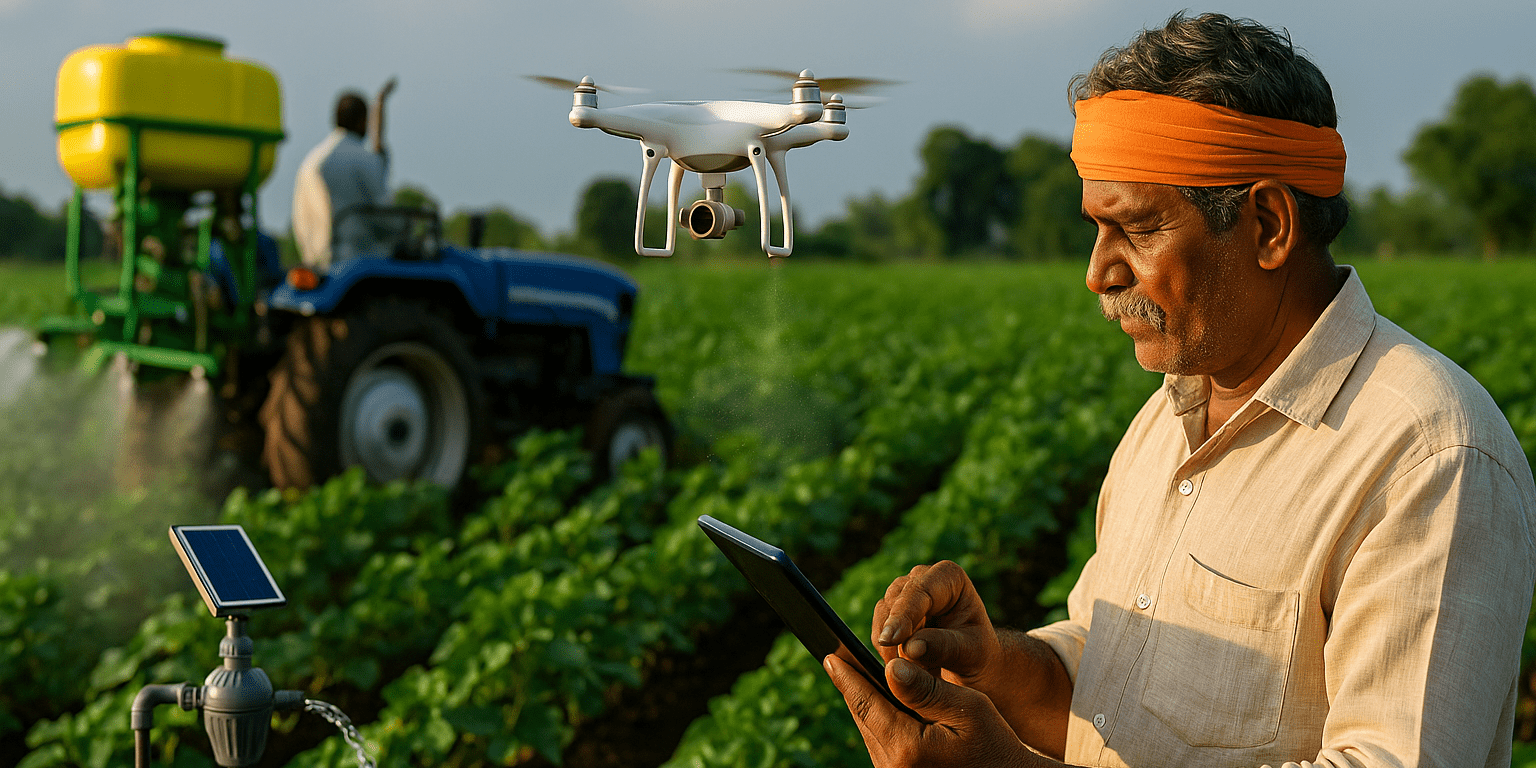
The modern Agriculture Department actively promotes digital tools, smart devices, and advanced technologies to increase crop yield and reduce manual labor. Technologies like IoT-based smart irrigation systems, AI-powered soil sensors, and drone-based crop monitoring are now being used widely across Indian farms.
These innovations help farmers:
- Monitor soil health and weather conditions in real time
- Optimize irrigation schedules using data
- Reduce water and fertilizer waste
- Detect pest or disease outbreaks early
Aspagrow supports this vision by offering practical, affordable, and easy-to-use agri-tech solutions. By collaborating with farmers, we ensure that modern technology becomes an everyday tool for sustainable farming success.
4. Smart Irrigation and Water Conservation Initiatives
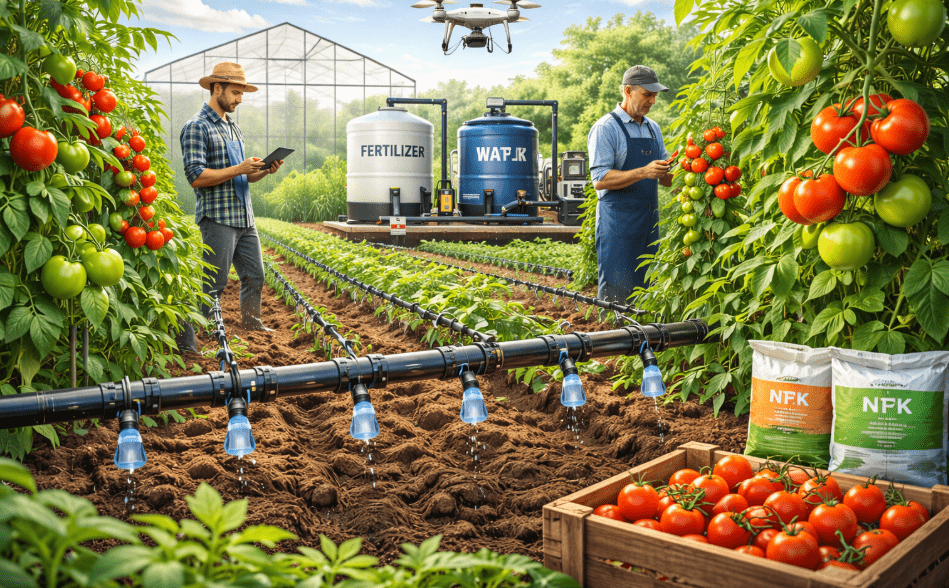
Water is the lifeline of agriculture, but it’s also one of the scarcest resources. Recognizing this, the Agriculture Department has launched several programs to promote efficient water use. Technologies like solar-powered smart irrigation systems and drip irrigation are being promoted to ensure that every drop counts.
With Aspagrow’s smart irrigation solutions, farmers can automate watering schedules, reduce wastage, and increase crop yields. These systems are designed to work even in remote rural areas using solar energy and IoT connectivity.
Together, Aspagrow and the Agriculture Department are redefining water management practices for sustainable agriculture.
5. Training and Farmer Education Programs
The Agriculture Department doesn’t just introduce new technologies — it ensures that farmers know how to use them effectively. Through training centers, workshops, and digital platforms, farmers are educated on topics like:
- Organic farming techniques
- Pest control and crop protection
- Soil management and nutrient balance
- Smart irrigation and water-saving methods
- Post-harvest management
Aspagrow complements these efforts by offering hands-on support and digital tutorials for farmers who are new to modern agricultural tools. We believe that education and empowerment are the true seeds of progress.
6. Promoting Sustainable and Organic Farming
Sustainability is at the heart of the Agriculture Department’s mission. With growing concerns about soil degradation, chemical overuse, and climate change, the department promotes eco-friendly farming methods such as:
- Organic fertilizers and composting
- Integrated pest management (IPM)
- Crop rotation and intercropping
- Rainwater harvesting and zero-waste farming
Aspagrow actively supports farmers in adopting these sustainable techniques by providing easy-to-use tools, organic farming supplies, and expert consultations. Together, we aim to build a farming ecosystem that is productive, profitable, and planet-friendly.
7. The Future of Agriculture with Aspagrow
As India moves toward digital agriculture, the collaboration between Aspagrow and the Agriculture Department is shaping the next generation of farming.
With access to real-time data, predictive analytics, and AI-powered farming tools, farmers can now make smarter decisions and achieve higher profitability. Aspagrow’s mission is to make advanced agricultural technology accessible to every farmer, no matter how small their landholding.
The future of Indian agriculture lies in innovation, and with continuous government support and Aspagrow’s field expertise, the dream of “Smart, Sustainable Farming for All” is well within reach.
FAQ
1. What are the main Agriculture Department government schemes for farmers?
The Agriculture Department government schemes for farmers are designed to boost productivity, promote sustainability, and support farmer welfare across India. Major schemes include the Pradhan Mantri Krishi Sinchayee Yojana (PMKSY) for efficient irrigation, Pradhan Mantri Fasal Bima Yojana (PMFBY) for crop insurance, and the National Mission on Sustainable Agriculture (NMSA) for climate-resilient farming. Farmers can also benefit from the Soil Health Card Scheme, Rashtriya Krishi Vikas Yojana (RKVY), and Kisan Credit Card (KCC) for financial support.
Aspagrow works closely with farmers to help them understand these schemes and guides them on how to apply successfully, ensuring they get the right government assistance for better yields and income stability.
2. How to apply for Agriculture Department subsidy for farming equipment or irrigation?
Farmers can apply for Agriculture Department subsidies both online and offline, depending on their state. Most states have dedicated portals such as agrimachinery.nic.in or local government agriculture websites. To apply, farmers must register with valid documents like Aadhar card, land records, and bank details. Once registered, they can select the subsidy program — whether for farm equipment, drip irrigation, solar pumps, or seeds — and submit an application.
Aspagrow assists farmers through this entire process — from registration to documentation — ensuring they receive the subsidy without hassle. Our experts also help in identifying which schemes offer the maximum financial benefits based on farm size, crop type, and location.
3. How can I find contact details of the Agriculture Department near me?
Finding the contact details of the Agriculture Department near you is simple. Every district and taluka in India has an Agriculture Officer (AO) or Assistant Agriculture Officer (AAO) office. Farmers can visit their District Agriculture Office (DAO) for assistance with subsidies, crop insurance, and training programs.
Alternatively, you can search on Google using phrases like “Agriculture Department office near me” or visit your state’s official Agriculture Department website, where you’ll find helpline numbers, office addresses, and contact emails.
Aspagrow also maintains a directory of verified local Agriculture Department contacts to help farmers easily connect with their nearest government support office.
4. What are the Agriculture Department training programs for farmers in 2025?
The Agriculture Department training programs 2025 focus on promoting smart farming, sustainable practices, and digital agriculture. These programs train farmers in soil health management, organic farming, pest control, water conservation, and the use of IoT-based smart irrigation systems. Many state departments conduct workshops in partnership with Krishi Vigyan Kendras (KVKs) and private organizations like Aspagrow, which provide hands-on sessions on modern tools and technology.
Farmers can register for these programs through local Agriculture Offices or online portals. Training is usually free or subsidized and helps farmers stay updated with the latest innovations for increasing productivity and profitability.
5. What is the Agriculture Department organic certification process?
The Agriculture Department organic certification process is essential for farmers who want to sell their produce as organic in Indian and international markets. The process includes:
- Registering under the Participatory Guarantee System (PGS) or National Programme for Organic Production (NPOP).
- Maintaining records of organic practices for at least 3 years.
- Undergoing soil and residue testing.
- Getting field inspections by approved certification bodies.
Once approved, the farmer receives an organic certificate from the Agriculture Department, allowing them to sell produce with an official organic label.
Aspagrow helps farmers through this process by offering guidance on documentation, soil testing, and compliance with certification standards, ensuring a smooth and successful certification journey.
Conclusion
The Agriculture Department has always been the guiding force behind India’s farming success. By promoting innovation, empowering farmers, and prioritizing sustainability, it continues to strengthen the agricultural foundation of the nation.
At Aspagrow, we proudly support this mission. Through our range of smart irrigation systems, digital farming tools, and on-ground assistance, we help farmers embrace modern technology without losing the essence of traditional farming.
Together, the Agriculture Department and Aspagrow are cultivating a future where farming is not just productive — but sustainable, profitable, and resilient for generations to come