
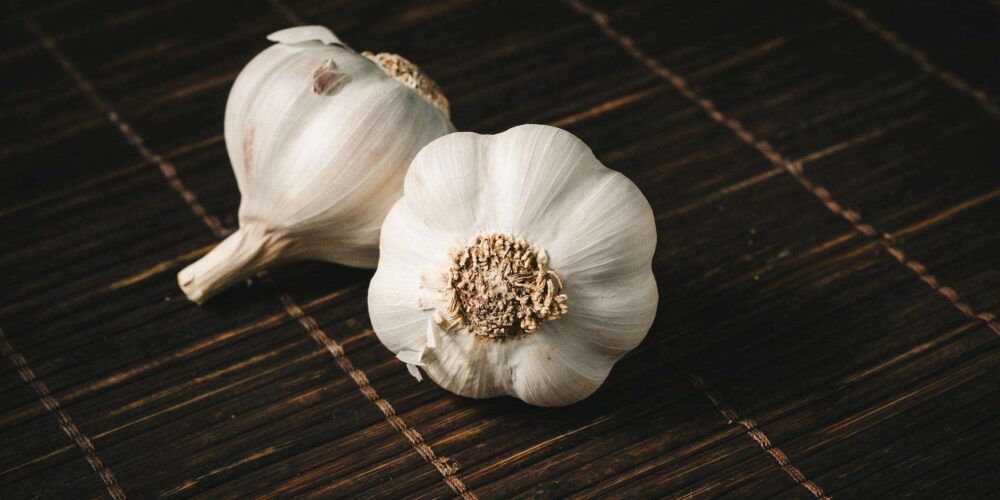
Growing your own vegetables is one of the most satisfying ways to bring healthy, fresh food into your home. Whether you have a spacious backyard, a cozy terrace, or a sunny windowsill, you can grow a surprising variety of vegetables with just a little care and patience. Garlic is one of the easiest and most rewarding crops you can start with, making it the perfect beginner-friendly plant. But why stop there? Once you learn the basics, you’ll be ready to explore other simple veggies too.
In this AspaGrow guide, we’ll walk you through how to grow garlic step-by-step, introduce more easy vegetables for beginners, and share tips that will help your garden flourish no matter your experience level.
Why Grow Your Own Vegetables?
Growing vegetables at home isn’t just a hobby—it’s an experience that transforms your relationship with food. When you grow your own garlic, tomatoes, greens, or ginger, you gain:
✔ Fresh, chemical-free produce
Homegrown vegetables are free from harmful pesticides and packed with natural flavor.
✔ Cost savings
Seeds and bulbs are inexpensive, and one plant can yield in abundance.
✔ A healthier lifestyle
Gardening reduces stress, gets you moving, and helps you reconnect with nature.
✔ Better flavor
Vegetables harvested fresh from your garden taste richer, crunchier, and more aromatic than store-bought.
AspaGrow always encourages starting small—garlic, ginger, spinach, and radish are great first choices.

How to Grow Garlic: The Complete Beginner’s Guide
Garlic is one of the easiest and most useful crops to grow in your garden. Every kitchen uses garlic daily, and homegrown bulbs taste significantly stronger and fresher.
Let’s go through each step of the garlic-growing process.
1. Choose the Right Garlic Variety
There are two main types:
✔ Hardneck Garlic
- Stronger flavor
- Grows well in colder climates
✔ Softneck Garlic
- Stores longer
- Perfect for warm climates (ideal for Indian regions)
For home gardeners, AspaGrow recommends softneck varieties because they are more adaptable and produce multiple cloves.
2. Select Healthy Garlic Bulbs
Pick firm, large bulbs with plump cloves. Avoid:
- Soft or moldy cloves
- Bulbs with cuts or bruises
- Garlic that has begun sprouting prematurely
Do not separate cloves until planting day—this keeps them fresh.
3. Prepare the Soil
Garlic needs:
- Loose, well-draining soil
- Plenty of organic matter
- pH between 6.0–7.5
Before planting:
- Loosen soil to 8–10 inches
- Mix in compost or well-rotted manure
- Avoid heavy clay soil unless amended
Healthy soil = bigger garlic bulbs!
4. Planting Garlic Cloves
Follow these simple steps:
✔ Step 1: Separate the cloves
Use only large outer cloves for planting—small ones produce small bulbs.
✔ Step 2: Plant the cloves
- Place each clove pointy-end up
- Plant 1–2 inches deep
- Space 4–6 inches apart
✔ Step 3: Water lightly
Garlic does not like overly wet soil. Keep the soil moist but not soggy.
The best planting time varies by region, but generally:
- Cool regions: Plant in fall
- Warm regions: Plant in late winter or early spring
5. Sunlight Requirements
Garlic needs 4–6 hours of sunlight daily. If growing on a balcony, choose the brightest spot. In extreme heat, light afternoon shade can protect the plant from stress.
6. Watering Garlic
Too little water leads to small bulbs. Too much leads to rot.
General rule:
- Water once or twice a week
- Keep soil evenly moist during early growth
- Reduce watering as bulb formation begins
When the leaves start to yellow, stop watering completely.
7. Mulching Garlic
Mulch is essential. Use:
- Straw
- Dry leaves
- Sugarcane bagasse
Mulching prevents weeds, retains moisture, and protects the soil.
8. Harvesting Garlic
Garlic is ready when:
- Lower leaves turn yellow
- Upper leaves remain green
- Bulbs swell beneath the soil surface
Loosen soil gently and pull the plant out by the base. Do not wash—let it dry naturally.
9. Curing and Storing Garlic
Cure bulbs by:
- Hanging them in a warm, airy area
- Drying for 2–3 weeks
Once cured:
- Trim roots
- Cut stems
- Store bulbs in a cool, dry place
Properly stored garlic lasts up to 6–7 months.
Other Easy Vegetables to Grow at Home
Once you learn to grow garlic, your veggie journey has just begun! Here are more low-maintenance vegetables recommended by AspaGrow.
1. Ginger
A perfect partner for garlic—ginger grows well in partial shade and requires minimal care.
- Plant rhizomes with “eyes”
- Keep soil moist
- Harvest in 4–10 months
2. Cherry Tomatoes
A fun crop for beginners.
- Needs 5–6 hours of sunlight
- Regular watering
- Grow in pots or hanging baskets
Sweet, colorful, and perfect for salads!
3. Spinach
Grows quickly and survives in varying climates.
- Plant in cool weather
- Harvest leaves weekly
- High in iron and nutrients
4. Radish
One of the fastest veggies to grow.
- Ready in just 25–30 days
- Requires full sun
- Perfect for beginners
5. Bell Peppers
Colorful, crunchy, and ideal for containers.
- Loves sunlight
- Needs warm temperatures
- Low-maintenance
Gardening Tips for Beginners
To get the most from your home garden, follow these essential tips:
✔ Start with a few easy plants
Garlic, ginger, spinach, and tomatoes are beginner-friendly.
✔ Water wisely
Overwatering is more harmful than underwatering.
✔ Feed the soil
Healthy soil grows healthy plants—use compost regularly.
✔ Observe your plants
Daily observation helps you spot pests, dryness, or yellowing early.
✔ Be patient
Gardening is a slow, peaceful process—enjoy the journey.
AspaGrow encourages new gardeners to experiment and learn with every season.
FAQs
1. Can garlic grow in pots?
Yes, garlic can grow extremely well in pots, making it a great option for people with balconies, terraces, or small backyards. The key is choosing a pot that is 10–12 inches deep and wide enough to allow proper spacing between cloves. Garlic grows downward and outward, so the container must not be shallow.
Make sure your pot has multiple drainage holes because garlic hates sitting in water. Use a loose, well-draining soil mix made of garden soil, sand, and compost. Place the pot where it can get at least 4–6 hours of sunlight every day. The best part about container garlic? You can move it around easily to protect it from heavy rain or harsh sun. AspaGrow often recommends container gardening for beginners because it’s easier to manage pests, soil health, and moisture levels.
2. How long does garlic take to grow?
Garlic typically takes 6–8 months to fully mature, depending on the climate and variety. Hardneck garlic grows faster in cold climates, while softneck varieties do well in warm regions and require a slightly longer growing period.
The growth stages look like this:
- Weeks 1–4: Cloves sprout and develop roots
- Months 2–4: Leaves grow tall and healthy
- Months 4–6: Bulbs begin to form underground
- Months 6–8: Bulbs mature, skins thicken, and leaves begin yellowing
This slow, steady growth is normal. Garlic isn’t a fast crop, but the results are worth the wait. The size of the final bulbs often depends on soil quality, spacing, watering, and sunlight. AspaGrow advises keeping a planting diary so you can track your garlic’s progress easily.
3. Why are my garlic bulbs small?
Small garlic bulbs are usually a sign that something in the growing environment needs adjustment. The most common causes are:
- Using small cloves for planting — Always plant the biggest outer cloves.
- Insufficient sunlight — Garlic needs at least 4–6 hours of bright light daily.
- Heavy or compacted soil — Bulbs cannot expand in clay-like soil.
- Overcrowding — Cloves planted too close together result in smaller bulbs.
- Too much nitrogen — This boosts leaf growth but reduces bulb size.
- Watering too little or too much — Both stress the plant and stunt bulb development.
To fix this, loosen the soil, add compost, give proper spacing, and ensure moderate watering. If bulbs are still small, don’t worry — garlic multiplies each year, and your next harvest will improve as your soil becomes healthier.
4. Should I remove garlic flowers?
Yes! If you see your garlic plant producing a flower stalk (called a scape), it’s better to remove it early. When garlic begins to form a flower, the plant redirects energy into seed production instead of bulb development. This results in smaller, less flavorful bulbs.
Cut the scapes when they curl—this not only boosts bulb size but also gives you a bonus harvest. Garlic scapes are edible and delicious in stir-fries, pesto, salads, and soups. AspaGrow recommends removing all scapes as soon as you notice them for the biggest, healthiest garlic bulbs.
5. What is the best fertilizer for garlic?
Garlic grows best in nutrient-rich organic soil, so natural fertilizers are always the top choice. Here’s what works best:
- Compost or vermicompost: Provides balanced nutrients
- Cow dung manure: Improves soil structure and root growth
- Wood ash: Adds potassium for larger bulbs
- Bone meal: Boosts phosphorus for strong bulb development
- Seaweed extract: Encourages healthier leaves and roots
Avoid heavy nitrogen fertilizers, especially after the first month, because too much nitrogen focuses growth on leaves rather than bulbs. Apply organic fertilizers every 30–40 days for steady development. AspaGrow always promotes organic feeding because it improves soil health over time and results in more flavorful garlic.
Conclusion
Growing your own vegetables—starting with garlic—is a fulfilling way to bring fresh, nutritious produce into your home. Garlic is easy to plant, low-maintenance, and highly rewarding. As you gain confidence, expanding your garden with ginger, leafy greens, tomatoes, and herbs becomes even more enjoyable.
At AspaGrow, we believe every home can have a small, thriving garden. Whether you’re a beginner or an experienced gardener, the joy of harvesting something you grew with your own hands is unmatched. So, gather your tools, prepare your soil, and start your gardening journey today. Your kitchen—and your health—will thank you!


One thought on “Grow Your Veggies: How to Grow Garlic and More!”
Comments are closed.